
by | Sep 29, 2026 | Uncategorized
A manager should not need a heavy ring of keys to open a supply closet, mechanical room, office, gate, and shared entry. A well-planned master key system guide starts with a simpler goal: give each person access to the doors they need, and no more. For Coachella Valley businesses, rental properties, and multi-unit buildings, that can reduce daily frustration while giving you more control when staffing or tenancy changes.
A master key system is not just a convenience upgrade. It is a physical access plan. If it is designed carelessly, one lost key can create a larger security problem than the key clutter it was meant to solve. The right system balances access, accountability, lock quality, and the realities of your property.
What a Master Key System Does
A master key system uses compatible locks and specially cut keys arranged in levels. A tenant, employee, or vendor may have a key that works only on one door. A supervisor may carry a key that opens several assigned doors. A top-level master key can open all locks included in the system.
The locks remain different from one another. That is the point. Individual keys still work only where they are authorized, while a higher-level key works across a defined group of locks.
For example, a small office might use one key for each private office, another for the reception and storage areas, and a manager key that opens every office and common area. A larger apartment property may create separate systems for each building, then issue a grand master key to the property manager for approved access across the site.
This approach is useful when access needs are predictable. It is common in offices, retail stores, warehouses, medical and professional buildings, apartment communities, vacation rentals, schools, and churches. Homeowners can also use a small system for a main house, detached garage, pool gate, and storage areas, though a full hierarchy is not always necessary.
Master Key System Guide: Start With Access, Not Keys
The most reliable way to plan a system is to map doors and people before choosing cylinders or cutting keys. Start by identifying every door that needs to be included. Do not forget gates, electrical rooms, storage closets, mailrooms, equipment cages, and rear entrances. Then decide who needs access to each opening.
Think in roles rather than names whenever possible. A role-based plan is easier to manage when employees leave or a new tenant moves in. For instance, “maintenance,” “front desk,” “building manager,” and “cleaning vendor” are more useful categories than designing the entire system around current individual employees.
A practical hierarchy may include individual change keys for private offices or units, a sub-master key for one department or building, a master key for common operational areas, and a grand master key for ownership or senior management. Not every property needs every level. Too many levels can make a system harder to control and may limit future expansion.
The best plan uses the fewest levels that solve the access problem. A two-level setup often works well for a small business. Larger properties with several buildings or separate tenant areas may need more structure.
Decide Which Doors Should Not Be Included
Some openings need tighter control than the rest of the property. Consider keeping areas such as cash rooms, server rooms, medicine storage, hazardous materials rooms, and sensitive records rooms outside the general master system. These doors may need a separate keyway, restricted key control, electronic access, or a combination of measures.
A master key should not become a universal pass for every high-risk space simply because it is convenient. Convenience matters, but so does limiting the impact of a lost or misused key.
Choose Hardware That Matches the Property
A master key system only performs as well as the locks and doors supporting it. A high-quality commercial cylinder installed in a weak door or loose frame does not solve the full security issue. Before setting up a system, inspect the door condition, latch alignment, strike plates, closers, hinges, and existing lock hardware.
For commercial doors, the lock function matters as much as the keying. An entry door, storeroom, classroom-style door, panic exit, and interior office door have different operating needs. Selecting the wrong function can create an inconvenience, a code concern, or an unsafe exit condition.
Keyway selection is another major decision. Standard keyways can be appropriate for lower-risk areas, but they may be easier for unauthorized parties to duplicate. Restricted key systems offer tighter control because copies are managed through authorized channels. They generally cost more upfront, but they can be worth it for offices, rental properties, and businesses where many people may request duplicates over time.
Electronic keypad locks and smart locks can also be useful alongside a master key system. They work especially well for employee entrances, short-term rental access, utility rooms, or locations where codes need to change quickly. However, electronic access does not automatically replace mechanical backup planning. Batteries fail, codes get shared, and locks still need proper installation and maintenance.
Plan for Lost Keys and Employee Turnover
The real test of a master key system comes when something changes. An employee quits, a contractor does not return a key, a tenant moves out, or a master key goes missing. Your response should be planned before that happens.
Keep an accurate key-control record showing each key number, who received it, which doors it operates, and the date it was issued or returned. Do not label keys with a property address, unit number, or business name. If a key is lost, that information can make it easier for someone to identify where it belongs.
For ordinary change keys, rekeying the affected lock may be enough. If a master or grand master key is lost, the response can be more involved because that key may work on many doors. Depending on the system design and risk level, you may need to rekey multiple cylinders or use a planned keying strategy that allows affected areas to be changed without rebuilding the entire system.
This is why cheap, improvised key systems often become expensive later. A professional design leaves room for future doors, staff changes, and rekeying needs. It also prevents accidental cross-access, such as one tenant key opening another tenant’s space.
Common Mistakes to Avoid
The first mistake is creating too much access. Giving every supervisor a top-level key may feel efficient until a key disappears. Issue the highest-level keys only to people who truly need them, and keep the number of copies low.
The second is mixing old, unknown locks into a new plan without inspecting them. Existing cylinders may be worn, incompatible, poorly installed, or on a keyway that cannot support the structure you need. Sometimes rekeying is the right answer. Other times, replacing outdated hardware is the safer long-term choice.
The third is forgetting about duplicate control. A key marked “Do Not Duplicate” is not the same as a restricted key system. If controlling copies matters, ask for a solution designed for documented authorization and managed duplication.
Finally, do not treat the key schedule as an afterthought. The schedule is the map of the system. Keep it protected and available only to authorized management. If it is lost or openly shared, it can reveal how the property is secured.
When to Call a Professional Locksmith
A small, straightforward building may only need a few locks rekeyed alike. A true master key system deserves more planning, especially if your property has tenants, several departments, multiple buildings, restricted rooms, or frequent turnover.
A locksmith can assess existing hardware, recommend the right key hierarchy, identify doors that require separate security, and set up a system that can expand without creating confusion. If your business is in Indio, La Quinta, Palm Desert, Palm Springs, Cathedral City, Desert Hot Springs, Coachella, Thermal, or nearby, Resc-U Locksmith Services can help evaluate the locks you have and build a practical access plan.
The goal is not to put more keys in circulation. It is to make every key purposeful, keep sensitive areas protected, and make the next staff change or lost-key call far less stressful.

by | Sep 27, 2026 | Uncategorized
A keypad lock is convenient until the code stops working, a tenant moves out, or someone who should no longer have access still knows the number. Knowing how to reset keypad code can quickly restore control of your home, rental, office, or storefront – but the right method depends entirely on the lock you have.
Some keypad locks reset in less than a minute with the current programming code. Others require access to the interior battery compartment, a physical reset button, or the original factory instructions. If you are locked out, do not start guessing combinations or removing parts from the outside of the door. That can trigger a lockout period, damage the lock, or turn a simple code change into a replacement job.
First, identify the type of keypad lock
Before resetting anything, look for the manufacturer name and model number. It is usually printed on the inside portion of the lock, inside the battery cover, or on the original paperwork. Common residential keypad locks may use a touchscreen, push buttons, a key cylinder, or a connected smart-lock app. Commercial keypad systems can have separate programming hardware, user levels, audit records, and more involved setup requirements.
The distinction matters. A basic battery-powered deadbolt may allow you to change a user code while the door is open. A smart lock may require the owner account and Wi-Fi or Bluetooth connection. A keypad-equipped safe, garage door keypad, alarm panel, or gate keypad follows completely different reset procedures.
If you are unsure what the keypad controls, stop before performing a factory reset. A factory reset can erase every user code, administrator credential, schedule, and connected-device setting.
How to reset keypad code on a door lock
For most residential keypad door locks, the safest place to begin is with the door open. This lets you test the new code repeatedly without the risk of being locked outside.
Reset the code when you know the current master code
Many keypad locks let an authorized owner add, delete, or replace a user code through the programming menu. The exact button sequence varies by brand, but the process usually involves entering the programming or master code, selecting the user-code option, choosing a user slot, and entering the new code twice for confirmation.
Use a code that is hard to guess but easy for authorized users to remember. Avoid house numbers, birthdays, repeated digits such as 1111, and simple sequences such as 1234. If your lock permits six or more digits, use the longer option. More digits generally provide better protection, although a code only helps if you change it when access needs change.
After programming, test the new code at least three times while the door is open. Confirm that it locks and releases the deadbolt properly. Then test any physical backup key, if your lock has one. A good code reset should not leave you surprised by a weak battery, a sticking bolt, or a key that no longer works.
Reset the lock when the master code is unknown
If you bought a home, took over a rental, inherited a lock, or lost the programming code, you may need a factory reset. This typically requires opening the interior battery cover, removing the batteries, pressing and holding a reset button, and reinstalling the batteries while holding that button. Once reset, the lock returns to its original setup state and needs a new administrator code.
Do not assume this sequence applies to your lock. Follow the manufacturer instructions for your exact model. The wrong procedure may only drain the batteries, disable the keypad temporarily, or erase settings without restoring access.
A factory reset is usually appropriate when you own the lock and have physical access to the inside of the door. It is not a practical solution when you are standing outside with a locked door and no backup key. In that situation, professional help is safer than trying to force the hardware.
Check the basics before assuming the code is wrong
A keypad lock can look like it has forgotten the code when the real problem is power or alignment. Start with fresh, high-quality batteries if the keypad is dim, slow, unresponsive, or beeping differently than usual. Replace all batteries at once, and check that the contacts are clean and properly seated.
Next, look at the deadbolt while operating the lock with the door open. If the bolt moves smoothly when the door is open but struggles when closed, the strike plate may be misaligned. Heat, settling, loose hinges, and door swelling can all cause the bolt to bind. Repeatedly forcing the keypad motor against a misaligned door can shorten the life of the lock.
Also check whether the lock has entered a temporary lockout. Many models pause keypad entry after several incorrect attempts. Waiting a few minutes and entering the correct code carefully may solve the problem. Continuing to guess may extend the lockout period.
When changing the code is the right security move
A code reset is not only for emergencies. It is one of the simplest ways to protect a property after a change in access. Homeowners should consider changing codes after moving in, completing a renovation, ending a relationship, or giving temporary access to a contractor. Property managers should reset codes between tenants and remove temporary maintenance codes when work is complete.
For businesses, codes should be managed with more structure. Give each employee an individual code when the system supports it rather than sharing one universal number. That makes it easier to remove access when staffing changes. For retail spaces, offices, storage rooms, and vacation rentals, a lock that supports time-limited codes can reduce the need to share permanent credentials.
There is a trade-off: frequent code changes can create confusion for family members or staff. The answer is not to keep an old code forever. It is to document who has authorized access, use clearly defined user codes, and delete credentials that are no longer needed.
Avoid these common keypad reset mistakes
Do not reset a lock with the door closed unless the manufacturer specifically directs you to do so and you have a tested backup entry method. A reset can remove the only code you know. Keep the door open until the new code and lock function have both been tested.
Avoid writing the new code on a note near the door, under a planter, or in a shared text thread. If someone needs recurring access, create a separate code for them when the lock allows it. That way, you can delete one code without disrupting everyone else.
Finally, do not ignore a keypad that works inconsistently. Intermittent operation can point to failing batteries, worn buttons, poor installation, a damaged cable, or an internal mechanical issue. Changing codes will not repair hardware that is nearing failure.
When to call a locksmith for keypad lock help
Call a locksmith when you cannot access the interior side of the lock, the master code is unavailable, the reset procedure is unclear, or the keypad has stopped responding. Professional service is also the smart choice if the lock is damaged, the bolt is binding, the door does not latch correctly, or you need to secure a property quickly after a tenant or employee departure.
For smart locks and commercial keypad systems, a locksmith can help determine whether a reset, reprogramming, repair, rekey, or full lock upgrade makes the most sense. Sometimes a reset is enough. Other times, especially with an older or unreliable lock, replacement is the more dependable long-term choice.
Resc-U Locksmith Services provides mobile keypad lock assistance across the Coachella Valley, including urgent lockouts and planned security updates for homes, rentals, and businesses. The goal is simple: restore secure access without unnecessary damage or delay.
A keypad code should make access easier for the right people and harder for everyone else. Reset it carefully, test it before closing the door, and get local help promptly if the lock is not responding the way it should.
by | Sep 25, 2026 | Uncategorized
A dead keypad at 10 p.m., a smart lock that will not respond, or an access code that suddenly fails can leave you standing outside your own home or business. Can locksmiths unlock electronic locks in these situations? Yes. A qualified locksmith can diagnose many electronic lock problems and help you regain entry without damaging the door, frame, or hardware whenever possible.
Electronic locks are convenient, but they are not all built the same way. The right solution depends on whether the lock uses a keypad, key card, app, fingerprint reader, mechanical backup key, or a commercial access control system. That is why a professional inspection matters more than guessing, forcing the door, or repeatedly entering codes.
Can Locksmiths Unlock Electronic Locks Without Damage?
In many cases, yes. Modern locksmiths work with electronic deadbolts, keypad locks, smart locks, keyless entry systems, and many commercial door locks. The first goal is always to identify the cause of the failure and use the least invasive solution available.
A lock may appear completely dead when the issue is simply a weak battery, corroded battery contacts, a loose wire, a jammed latch, or a door that has shifted out of alignment. A technician can check these possibilities before recommending repair, replacement, or more involved entry methods.
Some electronic locks also include a hidden or visible mechanical keyway. If you have the backup key, that may be the fastest solution. If the key is lost, broken, or unavailable, a locksmith may be able to create a new key, service the cylinder, or use approved professional methods to restore access.
Damage-free entry cannot be promised in every situation. A severely failed lock, a high-security commercial system, a damaged door, or a lock that has been improperly installed may require replacement. A dependable locksmith should explain the options and expected cost before moving forward whenever the situation allows.
Common Electronic Lock Problems a Locksmith Can Handle
Electronic locks combine mechanical parts with batteries, motors, circuit boards, and programming. Any one of those components can create a problem. Knowing the symptoms can help you explain the issue clearly when you call.
Dead or weak batteries
This is one of the most common reasons a keypad or smart lock stops working. Many locks warn you with slow response times, flashing lights, or low-battery alerts before they fail. If the lock is already unresponsive, some models have emergency power contacts on the exterior that allow temporary power from a 9-volt battery. Others require access to the interior battery compartment, which is not possible when you are locked out.
A locksmith can identify the lock model, check for an emergency power feature, and replace the batteries after entry. If batteries die frequently, the technician can also look for a sticking bolt or alignment issue that is making the motor work harder than it should.
Lost codes, fobs, cards, or phone access
Keyless entry is convenient until the code is forgotten, an employee leaves with a key fob, or a phone app will not connect. For residential locks, a locksmith can often help reset the lock, remove unauthorized users, reprogram codes, or install a replacement system if the existing unit cannot be recovered.
For businesses and rental properties, access should be updated promptly after a credential is lost or a tenant or employee moves out. Simply changing one code may not be enough if former users still have cards, fobs, mobile credentials, or backup keys. A locksmith can help assess the whole entry system, not just the immediate lockout.
Jammed latch or misaligned door
Not every electronic lockout is electronic. Desert heat, settling, worn hinges, swollen weatherstripping, and repeated use can change the way a door sits in its frame. The lock may beep, flash, and accept the correct code, yet the deadbolt will not move because it is binding against the strike plate.
Forcing the keypad, yanking the handle, or slamming the door can make this worse. A locksmith can relieve pressure on the bolt, adjust the strike plate or hinges if needed, and confirm that the lock cycles correctly before leaving.
Failed motor, keypad, or internal component
If a lock has fresh batteries but makes a grinding sound, flashes an error signal, or will not extend or retract the bolt, an internal component may have failed. Electronic locks have a service life, especially on busy office doors, vacation rentals, and front doors exposed to extreme temperatures.
A locksmith can determine whether repair is practical or whether replacement is the better value. In many cases, replacing a failing consumer-grade lock with a properly installed keypad lock or commercial-grade option prevents another after-hours problem.
What Happens During an Electronic Lock Service Call?
A professional locksmith begins by confirming that you are authorized to access the property or vehicle. Be prepared to show identification, proof of residence, a lease, business credentials, or other documentation when appropriate. This protects property owners and helps prevent unauthorized entry.
Next, the technician examines the lock, door, and surrounding hardware. They may ask when the problem started, whether the lock made any unusual sounds, whether the batteries were recently changed, and whether the door has been difficult to close. Those details can quickly point to the likely cause.
From there, the locksmith selects the safest practical approach. That might involve using the backup key cylinder, supplying temporary power, servicing the mechanical portion of the lock, correcting door alignment, or carefully gaining entry so the lock can be repaired or replaced. Once access is restored, the work should not stop there. The lock should be tested repeatedly from both sides, and user codes or credentials should be reviewed before the job is complete.
When Replacement Makes More Sense Than Repair
Repair is not always the best answer. If an electronic lock has recurring failures, damaged wiring, cracked housing, unreliable keypad buttons, or discontinued parts, replacement can save time and repeated service costs. This is especially true for entry doors that protect a home, retail space, office, or short-term rental.
Choose the replacement based on how the door is used. A homeowner may want a simple keypad deadbolt with a mechanical key backup. A property manager may need codes that can be changed between tenants. A business may benefit from an access control system that tracks users, supports multiple doors, and allows credentials to be removed quickly.
Convenience should not come at the expense of reliability. Ask about battery life, weather resistance, mechanical backup options, emergency power features, door compatibility, and who will be responsible for managing codes. The most feature-packed lock is not necessarily the right lock for every property.
Avoid These Mistakes During an Electronic Lockout
Repeatedly entering random codes can trigger a temporary lockout on some models. Avoid drilling, prying, or trying to remove exterior screws unless you know exactly how the lock is assembled. Many electronic deadbolts are designed so that critical mounting hardware is only accessible from inside, and forced attempts can damage the door while still failing to restore entry.
Do not rely on a low-battery warning as a reason to wait. Replace batteries as soon as the lock alerts you, and use the battery type recommended by the manufacturer. Keep a mechanical backup key in a secure location that is not inside the locked building, and make sure trusted family members, property managers, or authorized staff know how to use it.
For commercial properties, remove old employee credentials immediately and keep a current record of who has access. For rental homes, reset codes between occupants and inspect the door alignment during turnovers. Small maintenance steps can prevent a late-night emergency call.
Local Help for Keypad and Smart Lock Problems
Electronic lock trouble is stressful because it often happens when you are leaving for work, arriving home late, or trying to open a business on time. A mobile locksmith can come to the property, assess the problem on site, and provide a clear path forward instead of leaving you to sort through a failed lock alone.
Resc-U Locksmith Services provides 24/7 mobile assistance across the Coachella Valley for lockouts, keypad lock service, lock replacement, rekeying, and security upgrades. Whether the problem is a dead battery, a failed smart lock, or a door that will not latch correctly, getting professional help early can protect both your property and your schedule.
If your electronic lock has started responding slowly, showing error lights, or requiring extra pressure to close, schedule service before it becomes a full lockout. A quick inspection now can be far easier than waiting outside later.
by | Sep 23, 2026 | Uncategorized
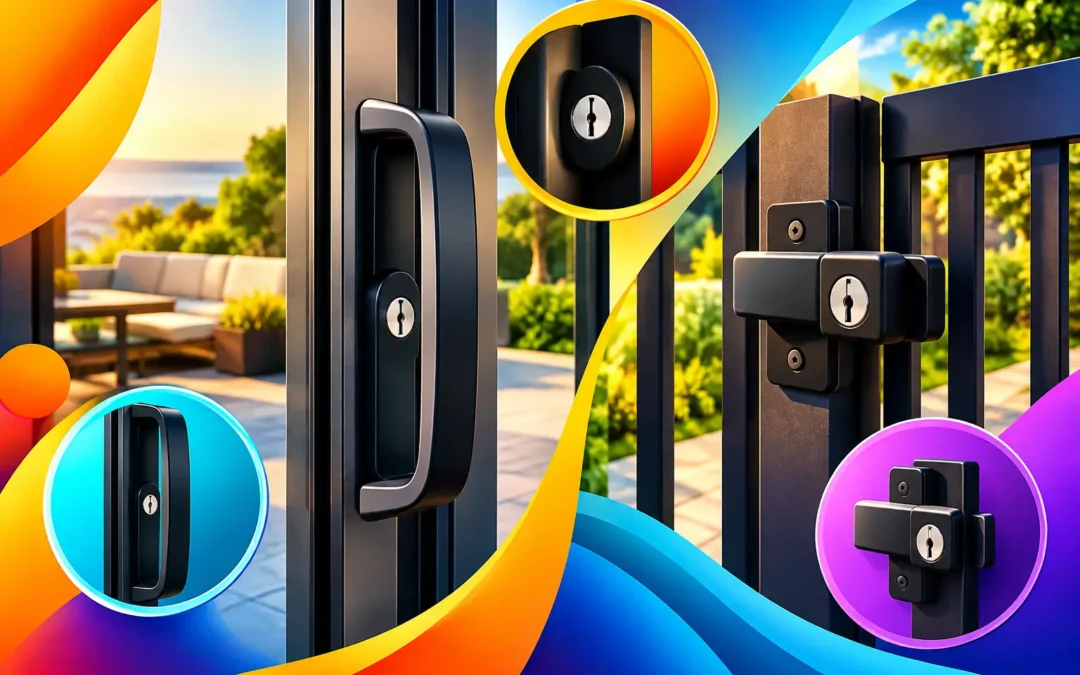
A patio door should be an easy way to enjoy your yard, not the weak point in your home security. The best patio locks depend on the type of door you have, the condition of its frame, and whether you need everyday convenience, stronger forced-entry resistance, or both. A lock that works well on a sliding glass door may be the wrong choice for a French door or side gate.
For Coachella Valley homeowners, patio security also has to hold up to intense heat, dust, and frequent use. A quality lock is only effective when it fits correctly, latches fully, and is installed in solid material. Here is how to choose a lock that protects your patio entrance without creating a daily hassle.
What Makes a Patio Lock Effective?
Patio doors are often targeted because they can be less visible from the street and may have lighter hardware than a front door. Many sliding doors come with a simple latch designed to keep the door closed, not necessarily to stop a determined attempt to force it open.
A better patio lock addresses more than one risk. It should resist prying, prevent the door from being lifted off its track, and keep the lock from being reached or manipulated through the glass. For hinged patio doors, the focus shifts to a strong deadbolt, reinforced strike plate, and hardware that cannot be easily removed from the exterior.
The lock itself matters, but installation matters just as much. A high-security lock mounted to a thin, damaged, or loose frame will not perform as intended. If your door wiggles when locked, drags on the track, or has a worn latch, correct those issues before relying on an upgrade.
Best Patio Locks by Door Type
Sliding glass door locks
For a standard sliding glass door, an auxiliary keyed lock is usually the most practical upgrade. These locks mount to the door frame or stile and provide a second locking point beyond the factory latch. A keyed model is especially useful for ground-floor doors, rental properties, and patios that are not visible from inside the home.
A double-bolt sliding door lock can offer more resistance than a basic surface latch because it secures the moving panel more firmly to the frame. Look for metal components and a design made for your specific door material. Aluminum, vinyl, and wood-framed doors require different mounting methods.
Many homeowners also use a security bar or track bar. This is a solid secondary measure because it physically limits how far the door can slide open. It is affordable and simple, but it should not be your only protection. A loose or incorrectly sized bar can shift, and it does not repair a failing primary lock.
An anti-lift device is another worthwhile addition. Sliding panels can sometimes be lifted high enough to clear their track, particularly when rollers are worn or the door was installed with excess clearance. Anti-lift blocks or brackets help stop that movement. They are not a replacement for a lock, but together with a keyed lock and a security bar, they create a much stronger setup.
French door and hinged patio door locks
French doors and other hinged patio doors need a different approach. The active door should have a quality deadbolt with a reinforced strike plate secured by long screws that reach the structural framing. A decorative handle set may look substantial while offering very little actual resistance, so do not judge security by appearance alone.
If the doors have glass panels near the lock, consider how an intruder could reach the interior thumb turn after breaking glass. A double-cylinder deadbolt requires a key on both sides and can prevent that, but it also creates an emergency exit concern. It should only be used where permitted by local code and where a key can remain immediately accessible to occupants without being visible or reachable from outside.
For doors that meet in the center, flush bolts on the inactive panel are essential. Weak, loose, or missing flush bolts leave the active door with less support. A locksmith can inspect the alignment of both doors and make sure the bolts engage securely at the top and bottom.
Patio gate locks
A side gate can give someone access to the back of the property, where patio doors and windows are less likely to be seen. The best gate lock is weather-resistant, designed for outdoor use, and appropriate for the gate material. A keyed gate latch may be enough for a low-risk side yard, while a heavy-duty deadbolt-style gate lock is a stronger choice for gates leading to pools, storage areas, or private rear entrances.
For metal gates, verify that the lock body and mounting hardware are compatible with the gate thickness. For wood gates, make sure the latch is anchored into solid wood rather than a split or weakened section. Gate alignment is critical too. A lock will wear quickly if the gate sags and the latch must be forced into place.
Features Worth Paying For
When comparing patio lock options, focus on construction and fit rather than brand claims alone. A lock with a solid metal bolt, tamper-resistant screws, and a protected key cylinder generally offers better long-term value than lightweight hardware.
Key control is another consideration. If you have recently moved, lost keys, changed tenants, or ended a contractor relationship, rekeying may be smarter than simply adding a new lock. Rekeying changes which key operates the cylinder without necessarily replacing all of the hardware.
Convenience can matter as well. Keypad locks and smart locks are common on hinged patio doors, particularly for pool access, rental homes, and properties where several people need entry. They can eliminate spare-key concerns and allow code changes when guests or tenants leave. Still, electronics should be rated for exterior use and installed where direct heat and weather exposure will not shorten their life.
Do Not Overlook the Door and Frame
Even the best lock cannot compensate for a sliding door that barely stays on its track. Before upgrading hardware, check whether the door closes squarely, the latch lines up cleanly, and the frame is free of cracks or loose fasteners. If the sliding panel can be lifted, rattled, or forced sideways while locked, it needs attention.
Older sliding doors sometimes benefit most from a combination of roller adjustment, a new latch or keyed auxiliary lock, anti-lift protection, and a correctly fitted security bar. That layered approach is usually more effective than buying one expensive device and leaving the rest of the door in poor condition.
Glass also deserves consideration. Security film can help hold broken glass together, although it is not the same as impact-rated glass. Window coverings, exterior lighting, and clear sightlines from the home can further discourage someone from trying to work on a patio entry unnoticed.
When a Patio Lock Needs Professional Service
Call for service if the key turns without locking, the door will not stay latched, the lock is visibly loose, or a sliding door has been forced or damaged. These issues can leave a home vulnerable even if the door appears closed. A professional can determine whether the problem is the lock, strike plate, door alignment, rollers, frame, or a combination of failures.
Professional installation is also a good idea when drilling into a glass-door frame, fitting a keyed auxiliary lock, upgrading French door hardware, or securing a gate with unusual dimensions. The goal is not just to install a new product. It is to make sure every component lines up and holds under pressure.
Resc-U Locksmith Services provides mobile lock repair, rekeying, and security upgrades throughout the Coachella Valley, including help when a patio door lock fails after hours. If your patio entrance feels loose, sticks when it closes, or no longer gives you confidence, have it inspected before it becomes an urgent problem.
by | Sep 21, 2026 | Uncategorized
A damaged deadbolt after a break-in, a lost key set that may be in the wrong hands, or a lock that suddenly will not turn are not problems to put off until next week. Same day lock replacement gives homeowners, business owners, and property managers a direct way to restore control of the property before a small security issue becomes a larger one.
For Coachella Valley residents, speed matters, but so does getting the right fix. Replacing a lock is not always the only option. In some cases, rekeying is faster and more cost-effective. In others, a worn, compromised, or outdated lock needs to come off the door entirely. A qualified mobile locksmith can assess the condition of the hardware, explain the difference clearly, and help secure the property without unnecessary delays.
When Same Day Lock Replacement Is the Right Call
A lock should be replaced when the lock body, latch, bolt, cylinder, strike plate, or door hardware has been damaged enough that it cannot provide dependable protection. This commonly happens after forced entry, attempted break-ins, vandalism, or a door being kicked or pried open. Even if the lock still turns, internal damage can make it easier to bypass or cause it to fail later when you need it most.
Replacement is also the smart choice when a lock is old, corroded, loose, or repeatedly sticking. Desert heat, dust, frequent use, and ordinary wear can affect exterior hardware over time. If you have to jiggle the key, push hard on the door, or turn the thumb latch several times before it catches, the lock may be nearing failure.
Lost or stolen keys require a closer look. If every key is accounted for and the lock is in good shape, rekeying may be enough. However, replacement may make more sense if the lock is low quality, visibly worn, no longer matches the security needs of the property, or uses an old keyway shared with multiple doors. The goal is not simply to get a new key. The goal is to make sure the old key no longer gives anyone access.
New owners and new tenants also have a valid reason to request service right away. You cannot know how many copies of a previous key are circulating. A same-day visit can replace the hardware or reset access before you settle in, open for business, or hand a rental over to a new resident.
Replace or Rekey? The Difference Can Save Time and Money
Rekeying changes the internal pins in a working lock so it operates with a new key. The exterior hardware stays on the door. It is often a practical solution after a key is lost, an employee leaves, a tenant moves out, or a homeowner wants one key to work across several compatible locks.
Lock replacement removes the existing hardware and installs a new lock. It is generally needed when the current lock is damaged, unreliable, incompatible with your security goals, or simply not the type of lock you want on the door anymore. It is also the route to take when upgrading from a basic knob lock to a deadbolt, high-security cylinder, keypad lock, or smart lock system.
The right answer depends on the door, the existing hardware, and what happened. After a break-in, for example, the door frame and strike plate may need attention along with the lock. Installing a new deadbolt on a weak or split frame does not solve the whole problem. A professional should inspect how the door closes, where the bolt lands, and whether the strike screws reach solid framing.
What to Expect From a Same-Day Locksmith Visit
When you call for urgent lock replacement, the first priority is understanding whether the property is currently secure. If a door will not lock, has been damaged, or was left accessible after a lost key incident, share that upfront. It helps the locksmith arrive prepared for the type of hardware and work involved.
Once on site, the locksmith should examine the lock, door, frame, and strike plate before recommending a solution. This is especially important on older doors, metal storefront doors, rental units with prior repairs, and doors with electronic hardware. A straightforward cylinder change may be all that is needed, but a damaged frame, misaligned door, or incompatible lockset can change the scope of the work.
You should also receive clear information about your options before installation begins. That may include keeping the same style of hardware, upgrading to a stronger deadbolt, choosing keyed entry with a matching key, or installing a keypad or smart lock. Pricing can vary based on the lock type, the door condition, the time of service, and whether the job requires extra repair work. Asking for a clear explanation before work starts helps avoid surprises.
A mobile locksmith brings the service to your location, which is especially useful when the property cannot be left unsecured. Resc-U Locksmith Services provides 24/7 mobile support throughout the Coachella Valley, including homes, businesses, rentals, and vehicle-related lock and key needs.
Choosing the Right Lock for Your Door
The best replacement lock is not automatically the most expensive one. It should fit the door, the location, the level of traffic, and the way people need to enter. A front door at a primary residence needs a different approach than a pool gate, a short-term rental, a retail back door, or an interior office.
For most exterior residential doors, a quality deadbolt paired with properly installed strike hardware provides a strong foundation. If the door has glass nearby, consider whether a thumb-turn design creates a security concern. If family members regularly misplace keys, a keypad lock can reduce lockout risk while letting you set and delete entry codes as needed.
Property managers often benefit from systems that make turnover easier. Rekeyable locks, keypad locks, and access systems can reduce the need to collect physical keys from every tenant, vendor, or cleaner. Still, electronic locks need batteries, correct installation, and a backup entry plan. Convenience is valuable, but it should not replace dependable mechanical security.
Business owners should think beyond the front entrance. Employee doors, storage rooms, offices, gates, and rear exits all deserve attention. Using the same key for every door may be convenient, but it can give too much access to too many people. A locksmith can help create a keying plan that gives managers access where needed while limiting employee keys to specific areas.
Steps to Take Before Help Arrives
If the door was forced open or the lock has failed, avoid repeatedly testing it. Forcing a damaged key or turning a broken cylinder can make the repair more difficult. Keep people away from the unsecured entrance when possible, and use another safe entry point until the lock can be evaluated.
After a break-in, preserve the area if you plan to make a police report or insurance claim. Take photos of visible damage before temporary repairs are made. If the door frame is split or the door no longer closes correctly, tell the locksmith before arrival so they can prepare for more than a basic lock change.
For lost keys, think through what was attached to them. A key ring with an address, vehicle registration, business tag, or identifying information creates a more urgent risk than an unmarked spare key. In that situation, rekeying or replacing the affected locks the same day is a sensible precaution.
Same-Day Service for Homes, Rentals, and Businesses
Fast lock replacement is about more than getting a new piece of hardware on the door. It is about restoring confidence that your home is protected, your rental is ready for the next tenant, or your business can close securely at the end of the day.
Response time can depend on your location, current call volume, the type of lock, and whether the door itself has been damaged. Calling as soon as you notice the issue gives you the best chance to address it before nighttime, a tenant arrival, or the next business day. Have the property address, door type, and a brief description of the issue ready when you call.
If a lock is damaged, keys are missing, or you no longer trust who has access, do not wait for the situation to become an emergency. A same-day locksmith visit can replace the weak point, confirm the door locks properly, and let you get back to normal with the right security in place.
by | Sep 19, 2026 | Uncategorized
A lock that worked perfectly in the morning can start sticking after a full afternoon of Coachella Valley sun. That is why lock maintenance for desert heat is not a once-a-year chore. High temperatures, blowing sand, dry air, and frequent use can wear down door locks, gate hardware, vehicle keys, and electronic access systems faster than many homeowners or property managers expect.
The good news is that most heat-related lock problems give warning signs before they become a lockout, broken key, or security issue. A little attention at the right time can keep your locks working smoothly and help you avoid an urgent service call when temperatures are at their highest.
Why Desert Heat Is Hard on Locks
Heat affects more than the lock cylinder itself. Exterior doors, metal frames, gates, strike plates, and weatherstripping all expand and contract as temperatures change. Even a small shift can cause the latch to miss the strike plate or create pressure against the bolt. The lock may feel stiff even though the key and cylinder are still in good condition.
Dust is another major factor across Palm Springs, Indio, La Quinta, Palm Desert, and the surrounding valley. Fine grit can settle inside a keyway, latch opening, sliding door track, or keypad housing. If someone adds the wrong lubricant, that dust can turn into a sticky buildup that makes the problem worse.
Direct sun also breaks down some exterior finishes, plastic components, batteries, and rubber seals. Smart locks and keypad locks are convenient for rentals, offices, and homes, but they need protection from extreme exposure and regular checks just like traditional hardware.
Lock Maintenance for Desert Heat Starts With the Right Lubricant
The most common maintenance mistake is spraying a heavy oil or general-purpose lubricant into a lock cylinder. It may make the key turn more easily for a short time, but oily residue attracts dust. In desert conditions, the keyway can become dirty and sluggish again quickly.
Use a dry lock lubricant made for cylinders, such as graphite or a dry PTFE product, and follow the product directions. Apply a small amount, insert the key, and work it in gently. Do not force the key or flood the cylinder. Too much lubricant can create its own mess, especially in older locks.
The latch, hinges, gate rollers, and moving exterior hardware may need a different lubricant than the key cylinder. Those parts often benefit from a light, suitable lubricant designed for metal moving parts. Keep lubricant off the keyway unless it is specifically intended for locks.
If a lock is already packed with debris, the right answer may be professional cleaning or replacement rather than adding more lubricant. A lock that repeatedly sticks after lubrication could have worn internal pins, a bent key, corrosion, or door alignment trouble.
Clean the Keyway Before It Becomes a Problem
Look closely at the keyway and around the latch at least every few months, especially after wind events, construction nearby, or a long period of vacancy. Wipe the exterior face of the lock with a soft cloth. Use compressed air carefully to clear loose dust from the keyway, keeping the can upright and using short bursts.
Avoid pushing sharp objects, cotton swabs, or improvised tools into the cylinder. They can leave fibers behind or damage internal components. If your key comes out dirty, catches on insertion, or needs to be jiggled to turn, schedule service before it breaks inside the lock.
Check Door Alignment, Not Just the Lock
A stiff deadbolt is often blamed on the cylinder when the real problem is the door. Desert heat can cause a wood door to swell or shift, while metal components expand in direct sunlight. The bolt may scrape the strike plate, or the latch may need extra pressure to catch.
Test the deadbolt with the door open, then test it again with the door closed. If it turns smoothly when open but binds when closed, the alignment needs attention. Do not keep forcing the thumbturn or key. Excessive force can damage the bolt, bend the key, or leave you locked out.
Check that the strike plate screws are tight and that the plate has not shifted. A loose strike plate can turn a small alignment issue into a security concern. On exterior doors, use long screws installed into solid framing where appropriate. If the door or frame has visible warping, cracking, or serious movement, a locksmith can evaluate the hardware while you arrange any needed door repair.
Gates and Sliding Doors Need Extra Attention
Gate locks, pool gates, and sliding doors face some of the harshest conditions in the valley. They are exposed to sun, wind, dust, irrigation overspray, and constant movement. A gate that drags can put stress on the latch until it no longer lines up correctly.
Keep gate hinges, rollers, tracks, and latches clear of sand and leaves. Check whether the gate closes and latches without being lifted, pushed, or slammed. For sliding doors, clean the track and inspect the lock engagement. A functioning lock cannot provide proper security if the door is no longer sitting squarely in its frame.
Protect Smart Locks and Keypads From Heat
Electronic locks are designed for normal outdoor use, but direct desert sun can still shorten battery life and affect screens, buttons, and internal electronics over time. If you have a keypad or smart lock on a sun-facing door, inspect it more frequently during summer.
Replace batteries before they are fully depleted, and use the battery type recommended by the manufacturer. Do not mix old and new batteries. Heat can increase the chance of battery leakage, which can damage terminals and leave you without keypad access when you need it most.
Make sure every authorized user has a backup entry method. That could be a mechanical key, another programmed credential, or access through a secure backup procedure. For vacation rentals and businesses, document who has access and remove old codes promptly. Convenience should not come at the cost of control.
If a keypad becomes unresponsive only during the hottest part of the day, do not assume the issue will resolve permanently on its own. It may be a battery issue, sun exposure problem, failed component, or installation concern. Early service is usually easier than dealing with a failed lock during a guest arrival, employee shift, or late-night lockout.
Do Not Ignore These Warning Signs
Locks rarely fail without any notice. Call for help when you see repeated symptoms, rather than waiting for a complete failure. Pay attention to:
- A key that requires jiggling, extra force, or several attempts to turn
- A deadbolt or latch that only works when the door is pushed or pulled
- Rust, pitting, faded hardware, loose screws, or a visibly damaged strike plate
- A keypad that drains batteries quickly, flashes errors, or responds inconsistently
- A gate lock or sliding-door lock that no longer lines up without force
A spare key is not a solution to a failing lock. If the original key is hard to turn, a duplicate may still bind, and forcing either key can snap it inside the cylinder.
Set a Maintenance Schedule That Fits the Property
For a typical occupied home, inspect exterior locks at the start of summer and again after the hottest months. Homes with pool gates, multiple exterior doors, or smart locks may benefit from a quick monthly visual check. Rental properties, storefronts, offices, and properties that sit vacant need more frequent attention because access is shared and small failures can interrupt operations.
Property managers should also consider rekeying when tenants change, keys are unaccounted for, or access codes have been shared too widely. Maintenance keeps hardware operating, but rekeying and code management protect who can use it.
Vehicle locks deserve the same care. Dirt around the door key cylinder, a damaged key blade, or a weak key fob battery can become a major problem when your vehicle is parked in intense heat. If you rely on a fob only, keep a working backup plan. Some vehicles have a hidden mechanical key, while others require specific emergency-start procedures.
Get Help Before a Sticking Lock Becomes an Emergency
A lock that sticks in desert heat can be a minor adjustment, a cleaning issue, or a sign that the hardware is reaching the end of its service life. The right fix depends on the lock type, door condition, exposure, and security needs. Replacing a low-quality or heavily worn exterior lock can be smarter than repeatedly repairing it, particularly for a business, rental, or frequently used entry.
For homes, vehicles, gates, commercial doors, and modern keypad systems across the Coachella Valley, Resc-U Locksmith Services can assess the problem on site and recommend a practical repair, rekey, upgrade, or replacement. Addressing the first signs of trouble is the best way to keep a hot afternoon from turning into a locked-door emergency.