by | Oct 11, 2026 | Uncategorized
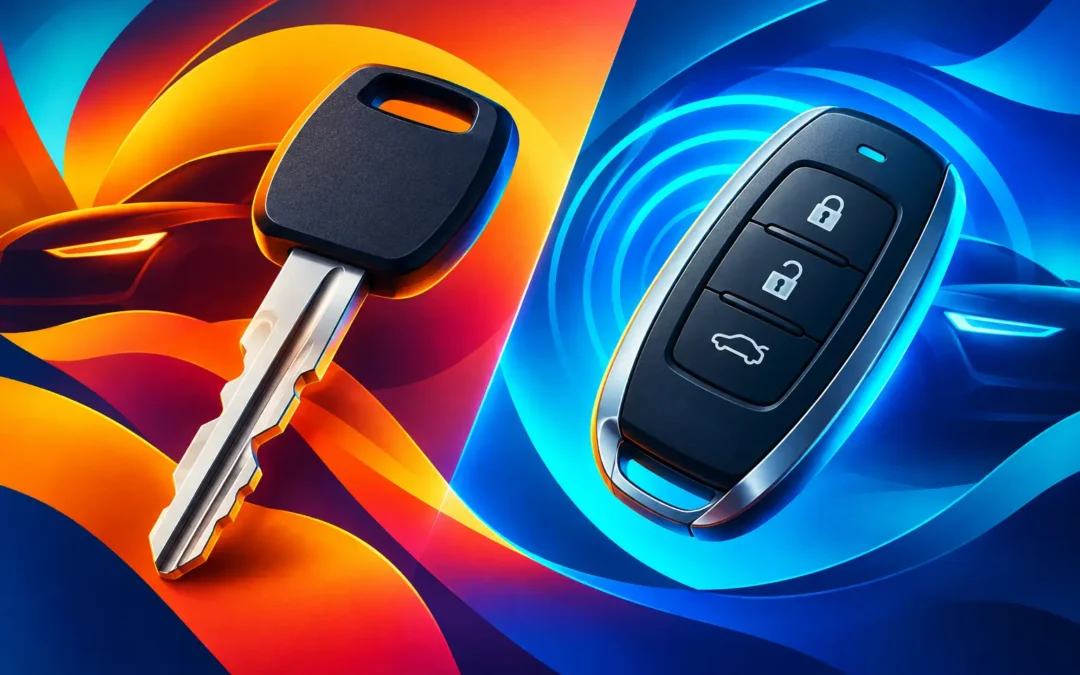
A car key can look simple right up until it will not start your vehicle. When comparing laser cut vs transponder keys, the biggest source of confusion is that these are not always two separate choices. A laser-cut key describes the way the metal blade is cut. A transponder key describes the electronic chip inside it. Many late-model vehicles use both.
If you lost your only key, your ignition turns but the engine will not start, or a replacement key works in the door but not the vehicle, knowing the difference helps you get the right solution without wasting time or money.
Laser Cut vs Transponder Keys: The Core Difference
A laser-cut key, also called a sidewinder key or high-security key, has grooves cut into the center or both sides of a thicker metal blade. The cuts are more complex than the teeth along the edge of a traditional house key or older car key. Despite the common name, these keys are generally cut with specialized milling equipment, not a literal laser.
A transponder key contains a small chip that communicates with your vehicle’s immobilizer system. When you turn the key in the ignition, the vehicle reads the chip’s unique signal. If the signal matches what the vehicle recognizes, it allows the engine to start. If it does not, the engine may crank without starting, or the security light may stay on.
That means the distinction comes down to two jobs. The blade has to physically operate the door and ignition. The chip has to electronically authorize the vehicle to run.
A key can be one, the other, or both. An older transponder key may have a standard edge-cut blade and a chip. A modern laser-cut key may have no chip in some applications, though that is less common with newer vehicles. Many vehicles from brands such as Honda, Toyota, Ford, Chrysler, Nissan, BMW, Mercedes-Benz, and Lexus use keys that are both laser-cut and transponder-equipped.
What a Laser-Cut Key Does
Laser-cut keys are designed to make the mechanical lock harder to manipulate and harder to duplicate with basic key-cutting equipment. Their wider, thicker blades and complex groove patterns require the correct blank and specialized machinery.
For a driver, the practical benefit is a higher-security mechanical key. The trade-off is that cutting a replacement typically costs more than duplicating a conventional metal key. Not every hardware store or general key kiosk can make one correctly.
You may have a laser-cut key if the blade looks flat on the outer edges, with a winding groove running down the center. These keys are often symmetrical, meaning they can be inserted into the ignition either way. Conventional keys usually have visible teeth cut along one edge.
A damaged laser-cut blade can cause real trouble even when the electronic chip is fine. If the blade is bent, heavily worn, or cut inaccurately, it may not turn the ignition or unlock the door. Forcing it can damage the lock cylinder, which turns a key replacement into a larger repair.
When You Need a New Laser-Cut Key
You may need a replacement when the key is lost, snapped, bent, worn down, or intermittently sticking in the ignition. A spare is also a smart move when you still have one working key. Creating a duplicate before the last key disappears is usually simpler than building a key from scratch after a total loss.
The correct process is more than tracing an old key onto a blank. A qualified automotive locksmith identifies the vehicle, selects the proper key blank, cuts it to the right key code or pattern, and tests that it operates the locks and ignition smoothly.
What a Transponder Key Does
The chip inside a transponder key is a theft-deterrent feature. It does not need a battery to work in most standard transponder keys. The vehicle’s ignition antenna energizes the chip and reads its coded response when the key is inserted and turned.
If the key blade is copied perfectly but the chip is missing, unprogrammed, or incorrect, the vehicle may unlock and the ignition may turn, but the engine will not start. This is why a cheap metal copy can be frustratingly useless for many vehicles.
Programming is the critical step. The replacement chip must be matched to the vehicle’s immobilizer system using the proper diagnostic tools and procedure. Depending on the make, model, and year, programming may require an existing working key, security access, or an on-site automotive locksmith with the right equipment.
Signs of a Transponder Problem
A key that suddenly stops starting the car is not automatically a transponder failure. The issue could also be a weak vehicle battery, ignition problem, damaged key blade, faulty key fob, or an immobilizer system concern. Still, a few signs point toward the chip or programming:
- The engine cranks but does not start after the key turns normally.
- A security or key-shaped warning light flashes or remains illuminated.
- A newly copied key opens the doors but will not start the vehicle.
- One key starts the vehicle while another seemingly identical key does not.
A locksmith can test the situation and determine whether you need a new key, chip programming, battery service for a remote, or a closer look at the vehicle’s ignition and security system.
Why Many Modern Keys Are Both
For most drivers, laser cut vs transponder keys is not an either-or question. The key may need a precision-cut blade and electronic programming at the same time. A remote-head key, flip key, or smart key can add another layer of features, such as lock and unlock buttons, a panic alarm, trunk release, or push-button start capability.
Those features should not be confused with the transponder itself. A remote battery can die while the transponder still allows the vehicle to start when the key is in the ignition. Conversely, the remote buttons may work while the transponder chip is not programmed correctly. Push-button start systems use proximity fobs rather than a traditional ignition key, but they still rely on electronic authorization.
The vehicle identification number, make, model, year, and available keys all affect what a replacement requires. That is why a clear photo of the key and the vehicle details can help a mobile locksmith arrive prepared with the correct blank, equipment, and programming capability.
Replacement Cost and Timing: What Changes the Job
There is no one price for a laser-cut or transponder key because the labor and equipment vary. A basic edge-cut spare for an older vehicle is generally the least involved option. A laser-cut key with a transponder chip costs more because it requires a specific blank, precision cutting, and programming. A smart proximity fob or all-keys-lost situation may require more advanced programming and security access.
The fastest and most affordable time to make a spare is while you have a working key. With no working keys available, the locksmith may need to originate a key, access key-code information, program the immobilizer, and verify that the vehicle starts. That is still a service a properly equipped mobile automotive locksmith can often handle on location, saving you from arranging a tow to a dealership.
Avoid buying a random key online based only on how similar it looks. Keys that share a shape may use different chips, frequencies, blade profiles, or programming methods. An incorrect blank can add delay rather than save money.
What to Do When Your Key Is Lost or Not Working
First, do not keep forcing a sticking key in the ignition or door lock. If it breaks, part of the blade can remain lodged in the cylinder. If the key is missing, have your driver license, vehicle registration, and vehicle identification number ready to establish ownership.
Then contact a local automotive locksmith who can cut and program the appropriate key type. Resc-U Locksmith Services provides mobile assistance throughout the Coachella Valley for drivers dealing with lost keys, broken keys, lockouts, transponder programming, and laser-cut key replacement. The goal is simple: get you back into your vehicle and safely back on the road without unnecessary delay.
Before the next key emergency, consider having a tested spare made and keeping it somewhere secure away from the vehicle. One working spare can turn a stressful roadside problem into a quick, routine fix.
by | Oct 9, 2026 | Uncategorized
A front-door key hidden under a planter is convenient until a contractor, former tenant, neighbor, or curious passerby finds it. A smart keypad lock review starts with that practical problem: many homeowners want simple keyless entry, but they do not want to trade physical security for a flashy app.
For homes, rental properties, offices, and small businesses in the Coachella Valley, the right keypad lock can make daily access easier and more controlled. The wrong one can leave you dealing with dead batteries, poor door alignment, unreliable connections, or a lock that does not match the way your property is used. Here is how to evaluate the options before installing one.
Smart Keypad Lock Review: What Actually Matters
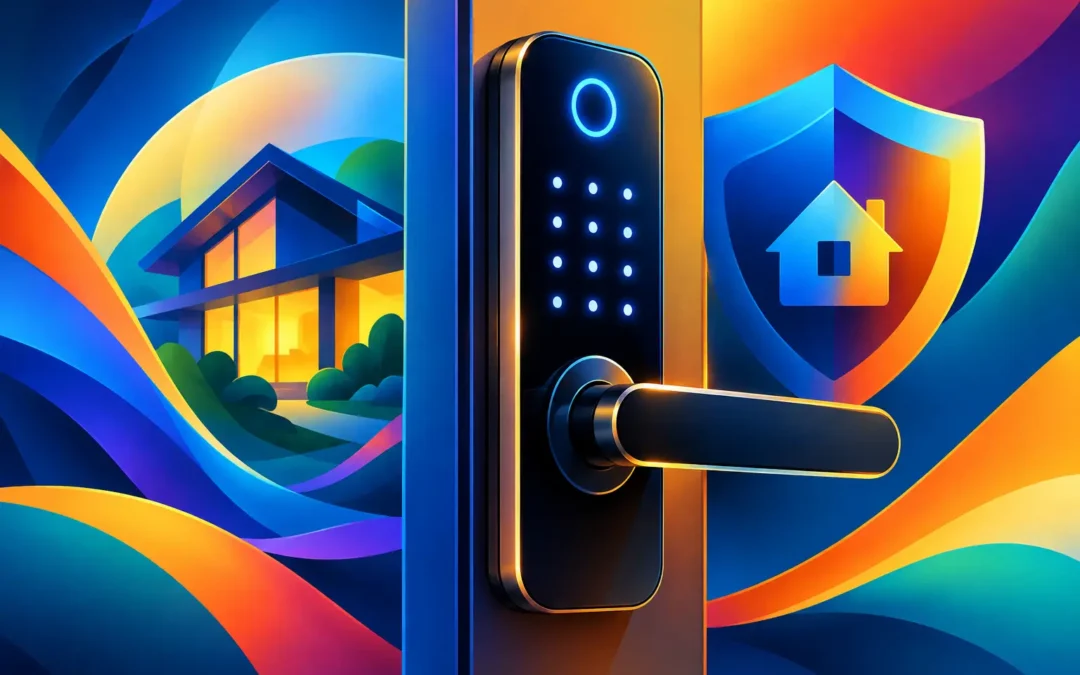
A keypad lock is not automatically a smart lock. Basic electronic keypad deadbolts let you enter a code and may store several user codes. Smart keypad locks add features such as Bluetooth, Wi-Fi, app control, access logs, remote code management, and temporary guest codes.
Neither option is always better. A straightforward keypad deadbolt is often a strong choice for a homeowner who wants keyless entry without depending on an internet connection. It can be easier to operate, less expensive, and less likely to create technical headaches.
A smart lock makes more sense when access changes often. Property managers can create individual codes for tenants or maintenance workers. Business owners can remove a former employee’s code without collecting keys. Homeowners can give a house sitter a code that expires after a set date. These are useful benefits, but only if the lock is installed properly and the account settings are managed carefully.
The first question is not, “What is the most advanced lock?” It is, “Who needs access, how often does that change, and what happens if the battery or connection fails?”
Start With the Door, Not the App
Most installation problems are door problems. Before choosing a model, check whether your door and frame are in good condition. A smart keypad lock still relies on a properly aligned deadbolt, solid strike plate, and correct door preparation.
If the deadbolt drags, sticks, or requires you to push or pull the door before it locks, adding an electronic lock will not fix the issue. In fact, the motor may work harder, drain batteries faster, and eventually fail to extend the bolt consistently. A locksmith can correct alignment, adjust the strike, or recommend hardware that fits the existing door.
Also check the door thickness, backset measurement, borehole size, and whether the lock will interfere with a screen door, storm door, handle set, or decorative trim. Some smart locks replace only the interior thumbturn, while others replace the entire deadbolt. A full replacement can give you a cleaner setup, but compatibility matters.
For commercial doors, the decision is usually more involved. High-traffic entries, metal doors, panic hardware, restricted key systems, and fire-rating requirements may call for commercial-grade access control rather than a consumer smart lock. A residential keypad lock installed on a busy business entrance may not hold up to the daily use.
The Features Worth Paying For
The most useful keypad lock features are the ones that solve a real access problem. Temporary codes are valuable for vacation rentals, cleaning crews, contractors, and guests. Scheduled codes help businesses limit access to certain hours. Auto-lock can reduce the chance that someone leaves the door unsecured, although the timing should be set realistically so it does not lock someone out while taking out trash.
Remote management is helpful for people who travel, manage several properties, or need to update access without driving across town. Keep in mind that some models require a separate Wi-Fi bridge or hub. Bluetooth-only locks may let you manage settings while standing near the door but not from another location.
Access history can be useful, but it should be viewed as a convenience tool, not a substitute for a security plan. A record that a code was used does not tell you who physically entered. Families and staff should have separate codes whenever possible, and codes should not be shared by text message or written where visitors can see them.
A physical key override remains a practical feature. It provides a backup if batteries die or electronics malfunction. The trade-off is that a keyway can be picked or bumped like other traditional keyed locks, depending on the cylinder and security level. Some users prefer key-free models, but then they need a reliable backup plan for emergency power and entry.
Battery Life Is a Security Issue
Most keypad locks run on standard batteries and warn you before power runs out. That warning may appear as a flashing light, repeated sound, app alert, or all three. Do not ignore it. Replace batteries promptly with quality alkaline batteries, and avoid mixing old and new ones.
In the Coachella Valley, heat deserves extra attention. Direct sun, high summer temperatures, and a hot metal door can shorten battery life and affect electronics over time. A lock on a shaded, protected entry often has an easier life than one facing afternoon sun. If the exterior hardware becomes extremely hot to the touch, ask about models and finishes suited to the location.
Many locks include emergency terminals on the exterior keypad that allow temporary power from a battery. This can get the electronics working long enough to enter a code, but it is not a reason to skip regular battery checks. Keep the owner instructions somewhere accessible, not locked inside the house.
Security Depends on More Than the Keypad
A smart lock can improve control over access, but it cannot compensate for a weak door frame or a poorly installed strike plate. The deadbolt should extend fully into a reinforced strike secured with long screws that reach the wall framing. The door itself should be solid enough for the location, and glass near the lock may require added planning so someone cannot break glass and reach an interior thumbturn.
Choose a lock from a reputable manufacturer with clear support information and regular security updates for connected models. Use a strong, unique password for the lock account, enable two-factor authentication when available, and keep the app updated. If the lock uses Wi-Fi, your home network should also have a strong password and current router security.
Avoid easy codes such as 1234, a house number, birthday, or repeated digits. Change factory codes immediately. For a rental or business, delete old codes as part of every turnover process rather than assuming they are no longer in use.
When a Basic Keypad Lock Is the Better Buy
Not every property needs remote access, app notifications, and voice assistant integration. A basic electronic keypad deadbolt can be the better choice if you want reliable entry for household members, a cleaning service, or an occasional guest. It reduces the number of physical keys in circulation without adding a network-connected device to the door.
It is also often the better option for an older family member who wants a simple code and a familiar physical key backup. More features can mean more setup, more alerts, and more opportunities for a setting to be changed accidentally. Convenience should make access easier, not turn a front door into another device that needs constant attention.
When Smart Access Is Worth It
Smart keypad locks earn their cost when they replace repeated key handoffs and constant rekeying. For a vacation rental, a temporary code can be issued before arrival and removed after checkout. For a property manager, each tenant or vendor can have a separate code. For a family, parents can confirm that a child arrived home without giving the child a key that can be lost at school.
They are also useful for businesses that need to control employee access without making duplicate keys. Still, a business with sensitive records, cash handling, medication, expensive inventory, or many employees should evaluate broader access control options. A standalone keypad lock may be only one part of the right security setup.
Professional Installation Prevents Small Problems From Growing
A keypad lock should lock smoothly every time, from the keypad, app, interior thumbturn, and physical key if included. After installation, test it with the door open and closed. Confirm auto-lock timing, emergency entry options, user codes, and the ability to lock from inside quickly.
Resc-U Locksmith Services can help homeowners, property managers, and business owners select and install keypad or smart lock hardware that fits the door and the job. That matters when an entry needs adjustment, a strike needs reinforcement, or existing lock hardware creates a compatibility issue.
Before buying, write down the access problem you want the lock to solve. If it is simply stopping key handoffs, choose simple and dependable. If you need changing codes, remote control, and better oversight across a rental or business, choose smart features with a clear backup plan. The best keypad lock is the one that works reliably on your door when someone needs to get in, and keeps everyone else out.
by | Oct 7, 2026 | Uncategorized
A working spare car key is one of those things that feels unnecessary until the original is lost, locked inside the vehicle, or stops responding in a parking lot. If you are searching for how to program spare key options for your vehicle, the right answer depends on the year, make, model, and type of key you have. Some vehicles allow a limited owner-programming process. Many newer vehicles require specialized diagnostic equipment and a properly cut key before programming can even begin.
For drivers across the Coachella Valley, the goal is simple: have a dependable backup before a small key problem becomes an emergency call. Here is what to know before you buy a blank online, try a do-it-yourself method, or call a mobile automotive locksmith.
How to Program a Spare Key: Identify What You Have First
Not every car key is programmed the same way. A traditional metal key without electronics only needs to be cut correctly. It can start the vehicle if the ignition does not use an immobilizer system. Most modern vehicles, however, use a transponder chip, remote fob, laser-cut key, proximity key, or smart key that must communicate with the car’s security system.
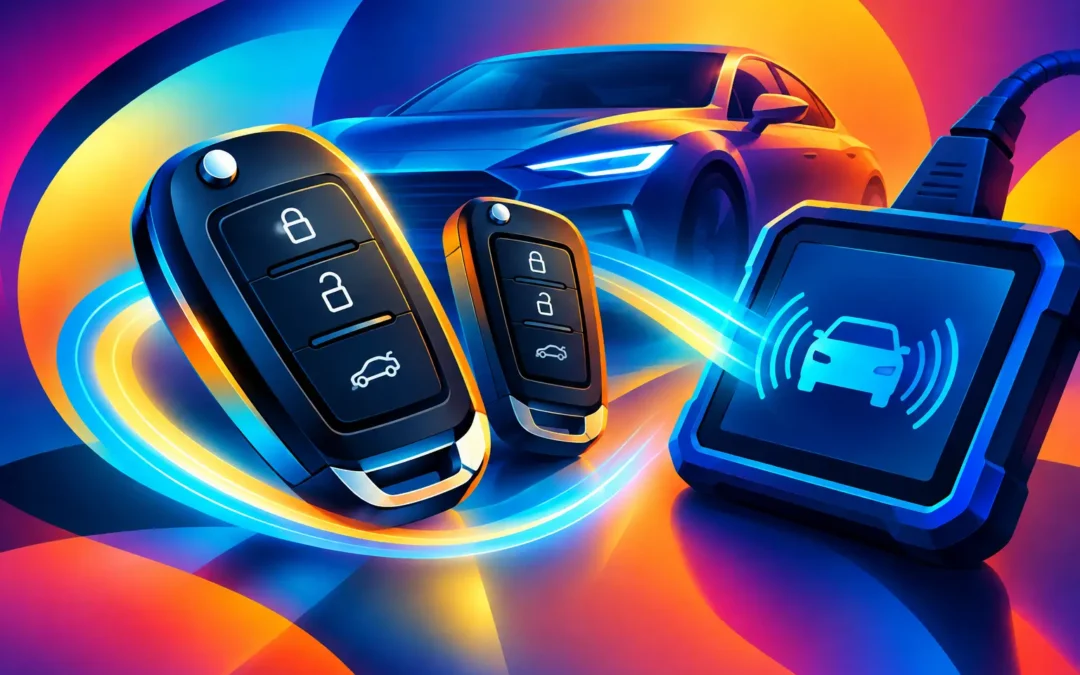
A transponder key may look like an ordinary key with a thicker plastic head. Inside is a small chip that sends an identification signal to the vehicle. If the chip is not recognized, the key may turn in the ignition but the engine will not stay running. A remote-head key combines the transponder with lock and unlock buttons. Smart keys and proximity fobs let the driver start the vehicle with a push button while the fob is inside the cabin.
The distinction matters because cutting a key and programming a key are separate jobs. A key can be perfectly cut yet still fail to start the car if its chip or fob has not been paired to the vehicle.
Check Whether Your Vehicle Allows DIY Programming
Some older vehicles offer an onboard programming sequence. This typically requires one or two already-working programmed keys, then a precise series of ignition cycles within a short time. The process differs by manufacturer and sometimes by model year, so guessing can waste time and may leave you with an unprogrammed spare.
Your owner’s manual is the best first place to check. Look under keys, remote entry, immobilizer, or keyless entry. If the manual provides a process for adding a remote, read carefully: programming the lock and unlock buttons is not always the same as programming the transponder chip that starts the engine.
DIY programming may be worth considering when you have the exact compatible key, at least one working original key, and manufacturer instructions for your specific vehicle. It is less likely to work when all keys are lost, the vehicle uses a smart key, the key blade is laser-cut, or the car requires security access through a scan tool.
Buying a cheap key or fob online can also create problems. The part number, frequency, chip type, and button layout must match the vehicle. A fob that looks identical may still be incompatible. Used keys are another gamble. Many smart keys can only be paired once, while others require professional resetting before they can be reused.
What a Locksmith Does Differently
A qualified automotive locksmith can usually handle the entire replacement process at your location. That means identifying the correct key type, cutting the blade, programming the chip or fob, and testing every function before leaving. For many drivers, this is faster and more convenient than arranging a tow or waiting for a dealership appointment.
Professional programming equipment communicates with the vehicle’s computer and follows the security procedure required by that make. Depending on the vehicle, the locksmith may connect through the diagnostic port, retrieve programming information, add a new key, or erase missing keys from the system. Removing lost keys can be a smart security step, especially if a wallet, bag, or key ring was stolen.
A professional should verify ownership before making or programming a vehicle key. Be prepared to show a valid photo ID and registration, title, insurance document, or other proof that connects you to the vehicle. This protects drivers from unauthorized key creation and helps the service move quickly once the technician arrives.
When You Need a Spare Key Cut Before It Can Be Programmed
The mechanical portion of the key still matters. If your vehicle has an ignition cylinder, door lock, or emergency insert inside a smart fob, the key blade must be cut accurately. Older keys may be cut from an existing original. On many newer models, a locksmith can cut the key by code or decode the vehicle lock when the original is missing.
Laser-cut keys, sometimes called sidewinder keys, have a milled groove down the center rather than standard edge cuts. They require a specialized cutting machine. High-security key blades are not necessarily impossible to duplicate, but they should not be handled with basic hardware-store equipment.
For a push-button-start vehicle, do not assume the emergency metal insert is optional. It may be the only way to enter the car if the fob battery dies. Ask for the insert to be cut and test that it operates the door lock before you put the spare away.
Common Reasons a Newly Programmed Key Fails
A key problem is not always a programming problem. A weak vehicle battery, damaged ignition cylinder, worn key blade, blown fuse, or faulty key antenna can all create similar symptoms. If the remote buttons do not work but the car starts, the issue may be the fob battery or remote programming. If the key turns but the security light flashes and the engine will not start, the transponder may not be recognized.
Avoid repeatedly forcing a key into the ignition or door lock. A bent blade, damaged keyway, or broken key can turn a simple spare-key request into a lock repair. If the original key works only intermittently, have a replacement made while it can still be read and duplicated reliably.
It is also wise to test a new spare completely before the technician leaves or before you store it. Start the vehicle, lock and unlock every door, use the trunk release if applicable, and test remote start or proximity functions. A spare that is never tested is not much help during a late-night lockout.
Should You Program a Spare Before You Need It?
Yes. Waiting until the last key is missing usually costs more time and creates more stress. With a working original available, duplication and programming are often more straightforward. When every key has been lost, the vehicle may need extra security procedures, key-code retrieval, or immobilizer access.
Keep the spare somewhere secure but accessible. Do not hide it under the car or inside an obvious magnetic box where it can be found by anyone. At home, a locked drawer or small safe is a better choice. For families with multiple drivers, label the spare and make sure the person who may need it knows where it is stored.
Property managers and business owners with fleet vehicles should keep a controlled record of spare keys, driver assignments, and key returns. A missing fleet key is not just an inconvenience. It can be a vehicle security issue, particularly when the vehicle displays company information or carries equipment.
Get the Right Help Without the Runaround
If your car uses a basic older key and the manual confirms an onboard process, programming a spare yourself may be practical. For most transponder, laser-cut, remote, and smart keys, professional service is the more reliable choice. It saves you from ordering the wrong part, trying incompatible instructions, or ending up with a key that opens the door but will not start the vehicle.
Resc-U Locksmith Services provides mobile automotive key help throughout Indio, La Quinta, Palm Desert, Palm Springs, Cathedral City, Desert Hot Springs, Coachella, Thermal, and nearby Coachella Valley communities. Whether you need a planned spare key or help after losing the only working one, a mobile locksmith can come to the vehicle and verify the new key works before the job is done.
A spare key is a small investment in a much calmer day. Make one while your original is still working, store it safely, and you will have a real backup ready when life does not go according to plan.
by | Oct 5, 2026 | Uncategorized
A locked door knob can make a front door look secure, but it is rarely the lock you want to rely on by itself. In the deadbolt vs door knob decision, the right answer usually is not choosing one over the other. For most homes, rentals, and small businesses, a locking knob or lever handles daily entry while a properly installed deadbolt provides the real security.
That distinction matters after a move, a break-in, a lost-key situation, or when you are upgrading an older door. The lock is only as effective as the hardware, door frame, strike plate, and installation behind it. Here is how to choose the setup that fits your property and your daily routine.
Deadbolt vs Door Knob: The Core Difference
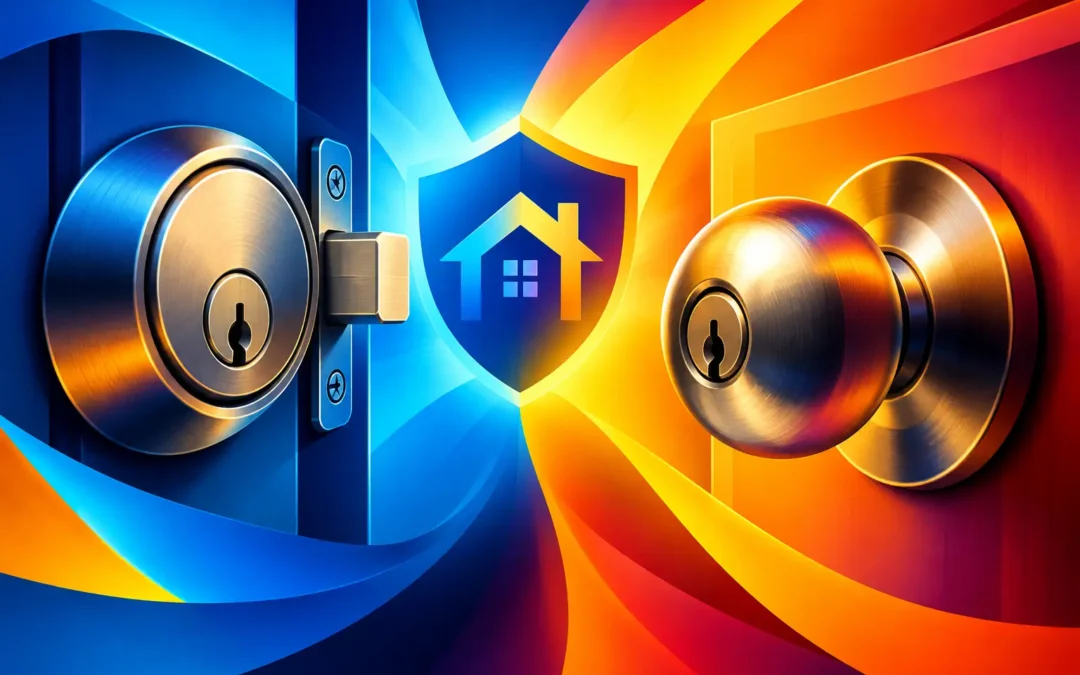
A door knob lock is built into the knob itself. It is convenient because turning the key or interior thumb turn releases the latch and opens the door in one motion. Knob locks are common on interior doors and exterior entry doors, but their latch mechanism is spring-loaded. That makes it practical for everyday access, not the strongest option against force.
A deadbolt uses a solid metal bolt that extends into the door frame. Unlike a spring latch, the bolt does not retract when pressure is applied to the door. It must be turned by a key, thumb turn, keypad, or smart-lock motor. This is why deadbolts are the primary security lock on most exterior residential doors.
The simplest way to think about it is this: a knob manages access; a deadbolt helps resist forced entry. On a properly secured exterior door, they work together.
Why a Deadbolt Is Usually the Better Security Choice
Deadbolts offer stronger resistance because the bolt reaches deeper into the strike plate and frame. When paired with long screws driven into the wall framing, that connection can make a major difference when a door is kicked, shoved, or pulled.
A basic locking knob can be defeated more easily because its latch has moving parts designed to retract. It may also be more vulnerable if the knob hardware is damaged or removed. That does not mean door knobs have no place on exterior doors. It means they should not be the only barrier protecting a house, office, or rental unit.
For exterior entry doors, look for a quality deadbolt with a solid bolt, a reinforced strike plate, and hardware that fits the door correctly. The lock grade matters, but installation matters just as much. A high-quality deadbolt installed in a weak frame or loose strike plate will not perform the way it should.
Single-cylinder and double-cylinder deadbolts
A single-cylinder deadbolt has a key on the exterior and a thumb turn on the interior. It is the common choice for most homes because people can leave quickly without searching for a key.
A double-cylinder deadbolt requires a key on both sides. Some property owners consider it for doors with glass close to the lock, since someone who breaks the glass cannot simply reach in and turn the thumb turn. However, it can slow escape during a fire or emergency. Local building codes and fire-safety rules may also limit where it can be used. If you are considering one, get professional guidance before installing it.
When a Door Knob or Lever Is Still Necessary
Even with a deadbolt, you still need a functional latch to keep the door closed when the deadbolt is unlocked. That is the job of the knob or lever. It also gives you a fast, familiar way to enter and exit during the day.
For many Coachella Valley homes, a keyed entry knob or lever below a deadbolt is the standard setup. The lower lock can be used when you are home and moving in and out often, while the deadbolt is engaged when the property is unattended or everyone has gone to sleep.
Levers can be especially useful for seniors, people with limited hand strength, and commercial spaces where accessibility matters. A lever does not automatically provide more security than a knob, but it can make daily operation easier. On a business entry door, the right commercial lever and deadbolt combination depends on the door type, occupancy requirements, and access needs.
Choosing the Right Lock for Each Door
Not every door needs the same hardware. An interior bedroom or bathroom door generally needs privacy, not a heavy-duty deadbolt. A front door, garage entry door, rear door, and door connecting a garage to the home deserve stronger protection.
For a rental property, consistent hardware is often the practical choice. Matching keyways or properly managed keypad codes can make turnovers easier, but every new tenant should receive fresh access. Rekeying is often enough when the existing locks are in good condition. If the locks are worn, loose, outdated, or mismatched, replacement may be the smarter long-term move.
Sliding doors, French doors, and doors with narrow frames need special attention. A standard deadbolt may not fit or may not solve the real weak point. These doors may need specialized locks, reinforced hardware, or additional security measures. Forcing the wrong lock onto the wrong door can leave you with a poor fit and a false sense of security.
Consider Convenience Before You Buy
Traditional keyed deadbolts are dependable and straightforward. They have no batteries, apps, or programming requirements. For many homeowners, that simplicity is exactly the point.
Keypad and smart deadbolts add convenience when several people need access. You can assign codes to family members, employees, cleaners, or short-term guests instead of handing out copies of a key. Some systems allow temporary codes, activity alerts, and remote management. They can be helpful for vacation homes and rental properties, but they require battery checks and occasional troubleshooting.
A smart lock does not automatically make a door more secure. The physical deadbolt, strike plate, door frame, and installation still determine how well the entry resists force. Choose a reputable lock and make sure it is correctly fitted to the door. If the lock sticks, the bolt does not extend fully, or the door is out of alignment, fix that issue before relying on electronic features.
Installation Problems That Reduce Security
Many lock problems are not caused by the lock itself. They come from a door that is sagging, a misaligned strike plate, short screws, or wood that has split around the frame. A deadbolt should turn smoothly without needing to lift, pull, or push the door.
Watch for warning signs such as a bolt that catches before locking, a knob that wiggles, a strike plate that is loose, or a deadbolt that barely reaches the frame. These issues can lead to lockouts, broken keys, and security gaps. They are also easier and less expensive to address before the lock fails completely.
For exterior doors, avoid treating hardware installation as a quick cosmetic project. The hole placement, backset, door thickness, bolt alignment, and frame reinforcement all affect performance. If you have just moved in, lost keys, experienced an attempted break-in, or are managing a tenant change, a professional inspection can help identify weak points that are easy to miss.
Should You Rekey or Replace Your Locks?
Rekeying changes the internal pins so old keys no longer work. It is a cost-effective choice when the lock hardware is still secure, operates smoothly, and meets your needs. It is often the first call after buying a home or changing tenants.
Replacement makes more sense when the lock is damaged, low quality, repeatedly sticking, incompatible with your desired key system, or no longer right for the door. It is also the time to upgrade if you have only a locking knob on an exterior door and want the added protection of a deadbolt.
Resc-U Locksmith Services can assess the condition of your current locks and help you choose a practical solution, whether that means rekeying, replacing hardware, installing a keypad deadbolt, or securing a problem door after hours.
The Best Setup for Most Exterior Doors
For most residential exterior doors, the best answer is a quality single-cylinder deadbolt paired with a keyed knob or lever. The knob or lever keeps the door latched and convenient for everyday use. The deadbolt is engaged when security matters most.
There are exceptions. A commercial storefront may require different hardware. A rental property may benefit from a keypad deadbolt. A door with glass near the lock needs a careful fire-safety discussion. The goal is not to add the most hardware possible. It is to install the right lock, on the right door, with a solid frame connection.
If your current exterior door has only a locking knob, starts sticking when you turn the key, or has been compromised after a move or lost key, do not wait for a lockout to deal with it. A quick professional evaluation can turn an uncertain entry door into one you can confidently lock behind you tonight.

by | Oct 3, 2026 | Uncategorized
A locked car in the Coachella Valley can become more than an inconvenience fast. An emergency car unlock service example often starts with a driver standing beside a vehicle, keys visible on the seat, dealing with desert heat, a busy schedule, or a child or pet waiting inside. The right response is not to force the door. It is to get qualified help that can open the vehicle carefully and get you moving again.
Emergency Car Unlock Service Example: A Realistic Call
Picture a driver leaving a grocery store in Indio on a hot afternoon. They set their bags in the back seat, place the keys down for a second, and close the door. The key fob and phone are inside the vehicle. The car is not running, no one is trapped inside, but the driver needs to pick up a child from school in less than an hour.
The driver calls a mobile locksmith and provides the vehicle’s location, year, make, model, and a quick explanation of where the keys are. The locksmith asks whether the vehicle is running, whether there is a child or pet inside, and whether the driver has identification available. Those details help determine the safest response and whether the situation requires emergency services before locksmith service.
After arriving, the technician confirms that the caller is authorized to access the vehicle. They inspect the door design, lock type, weather stripping, and condition of the vehicle before selecting an entry method. Modern cars have sensitive electronic systems, side airbags, tight door frames, and anti-theft hardware. The goal is to gain entry without scratching paint, damaging trim, bending the door frame, or creating a costly repair.
Once the car is open, the technician retrieves the keys and checks that the door, lock, and electronic functions work as expected. If the key fob is damaged, missing, or no longer recognized by the vehicle, the visit may move beyond a standard lockout call into replacement key or programming service.
What a Professional Car Lockout Response Includes
A professional response is not just about getting a door open quickly. It starts with protecting the driver, the vehicle, and the technician. A reputable locksmith should verify vehicle access authority before proceeding. In many cases, a driver’s license, registration, insurance card, or other proof of ownership can help. If documents are locked inside, explain that during the call so the technician can advise what to have ready once the vehicle is accessible.
The access method depends on the vehicle. Some cars can be opened with specialized entry tools used carefully through the proper access points. Others require a method designed around electronic locks, latch placement, or the vehicle’s security system. There is no one tool that is right for every car, and a technician should not treat every lockout the same way.
This is where experience matters. Trying to copy an online trick with a coat hanger, screwdriver, shoelace, or homemade wedge can tear weather stripping, damage window seals, trigger an alarm, or bend a door enough to create wind noise and water leaks later. A cheap shortcut can turn a simple lockout into bodywork or electrical repair.
When It Is More Than a Standard Lockout
Some calls require a different level of urgency. If a child, pet, older adult, or anyone with a medical concern is locked inside a vehicle, call 911 immediately. In the Coachella Valley, interior vehicle temperatures can rise rapidly. Emergency responders should be the first call when someone is in danger, even if a locksmith is also being contacted.
A car that is running with keys inside also changes the situation. The driver may be worried about theft, fuel use, or the vehicle being left in traffic. Let the locksmith know right away whether the engine is on and where the car is parked. A vehicle stopped in an unsafe location, such as along a high-speed road or active travel lane, may require roadside assistance or law enforcement to help secure the area.
Then there are the cases that look like lockouts but are actually key problems. A dead key fob battery, a damaged remote, a broken key blade, a lost transponder key, or a vehicle that will not recognize its programmed key may require key creation, cutting, or programming after entry. A full-service automotive locksmith can help determine the next step instead of leaving you with an open vehicle that still cannot start.
Information That Helps a Locksmith Respond Faster
Clear details during the first call prevent delays. Give the exact location, including the city, parking lot, cross streets, or recognizable business nearby. State the vehicle year, make, model, and color. Explain whether keys are visible, in the trunk, in the ignition, or completely missing.
Also mention any special conditions: a running engine, a child or pet inside, a broken key, an aftermarket alarm, a dead battery, or damage to the exterior lock. These details do not make the call more complicated. They help the technician arrive prepared for the vehicle and situation.
If you are in Palm Springs, Palm Desert, La Quinta, Cathedral City, Desert Hot Springs, Coachella, Thermal, or Indio, a local mobile locksmith can also plan the most practical route to your location. That local coverage matters when you are stranded in a large shopping center, at a resort, outside work, or on the side of the road.
What Affects Car Lockout Service Cost
The cost of emergency car entry depends on more than the time of day. Vehicle make and model, lock complexity, key location, accessibility, travel distance, and whether the call turns into key replacement can all affect the final price. A straightforward entry call is different from a late-night call involving a high-security vehicle and a lost smart key.
Before service begins, ask what the estimate includes and whether there may be separate charges for travel, entry, key cutting, programming, or parts. A reliable provider should explain the work in plain language. The least expensive quote is not always the best value if it does not include proper tools, careful vehicle handling, or the ability to solve the actual problem on-site.
Resc-U Locksmith Services provides mobile, 24/7 support for drivers throughout the Coachella Valley, including car lockouts, replacement keys, transponder keys, and laser-cut key needs. When you call, give the clearest description possible so the right service can be dispatched without wasted time.
Avoid Turning a Lockout Into Vehicle Damage
When your keys are inside the car, frustration can make almost any object look like a useful tool. Resist that impulse. Forcing the top of a door open can damage the frame or create a gap that never seals correctly again. Prying at the lock cylinder can break components that are expensive to replace. Breaking a window creates an immediate safety hazard and often costs far more than professional entry.
It is also wise to avoid giving keys or vehicle details to an unverified stranger offering help in a parking lot. If you use a locksmith, ask who is coming, confirm the service being provided, and keep your identification ready. You should feel comfortable with the process before anyone works on your vehicle.
A practical backup plan can reduce the stress of a future lockout. Keep a spare key with a trusted family member, replace weak fob batteries before they fail, and make sure your roadside assistance information is easy to find. But when the keys are already inside and you need help now, a trained mobile locksmith is the safer answer. Stay near the vehicle if the location is safe, protect yourself from the heat, and provide accurate information so help can reach you prepared.
by | Oct 1, 2026 | Uncategorized
A vacation home can sit empty for weeks, which makes a weak front-door lock more than a minor inconvenience. The best locks for vacation homes balance physical security, simple access for trusted guests, and dependable operation when you are miles away. Whether you own a weekend desert retreat, a seasonal residence, or a short-term rental, the right choice depends on how the property is used and who needs access.
A lock that works well for a primary home is not always the right fit for a vacation property. You may need to let in cleaners, maintenance technicians, family members, or renters without handing out a stack of keys. At the same time, a smart lock with poor weather resistance or a flimsy deadbolt can create more problems than it solves. Start with a secure door and frame, then choose a lock system that makes access easier without lowering your standards.
What the Best Locks for Vacation Homes Need to Do
Vacation-home security starts with a basic question: will the house be vacant, rented, or used only by your family? A privately used second home may need a high-quality keyed deadbolt and a way to manage a trusted neighbor or house sitter. A rental often benefits from keypad access codes that can be changed between guests. Properties with frequent service visits may need a smart lock with scheduled codes and activity tracking.
Whatever style you choose, the lock should have a solid deadbolt, a reinforced strike plate, and long screws that reach the wall stud behind the door frame. A premium electronic lock attached to a weak strike plate still leaves a vulnerable entry point. The door itself matters too. Warped wood doors, loose hinges, damaged frames, and large gaps around the door should be repaired before any lock upgrade.
Look for a residential deadbolt rated ANSI Grade 1 or Grade 2. Grade 1 offers the highest level of residential strength and is a smart choice for exposed exterior doors, rental properties, and homes left vacant for long periods. Grade 2 is often a reliable option for many vacation homes. Grade 3 locks are generally better reserved for low-risk interior applications, not your main entry door.
Keyed Deadbolts: Simple, Strong, and Dependable
A traditional keyed deadbolt remains one of the best choices for owners who want dependable physical security with very little maintenance. There are no batteries to replace, no app to connect, and no code for a guest to accidentally share. A quality single-cylinder deadbolt paired with a reinforced strike plate is a practical foundation for nearly every vacation home.
The drawback is key control. If several people have copies, you may not know who still has access after a contractor finishes work, a guest leaves, or a property manager changes. Replacing the entire lock every time access changes gets expensive and unnecessary. Rekeying lets a locksmith reset the lock to work with a new key while keeping the existing hardware, provided the lock is in good condition.
For a home that is used mainly by your family, a Grade 1 or Grade 2 deadbolt with restricted or carefully managed keys may be all you need. Keep spare keys out of obvious hiding places. Fake rocks, doormats, planters, and unprotected lockboxes are well-known targets. If someone needs backup access, use a secure lockbox or arrange for a trusted local contact instead.
Smart Deadbolts: Better Control From Anywhere
Smart deadbolts are a strong option for vacation-home owners who need to manage entry remotely. Depending on the model and setup, you can lock or unlock the door from an app, receive access alerts, check whether the door is secured, and create individual codes for guests or service providers. This is especially useful when your property is rented or when you cannot be there to meet a repair technician.
The best smart lock is not automatically the one with the most features. Choose hardware with a sturdy deadbolt mechanism, a physical key override, and a reliable way to operate if your Wi-Fi goes down. Many smart locks continue to accept codes locally during an internet outage, but remote notifications and app controls may not work until service returns.
Battery management is a real consideration. Smart locks usually provide low-battery warnings, but those alerts are only useful if someone is watching them. Replace batteries on a schedule before busy rental periods or long absences. Keep fresh batteries available for your local property manager, house sitter, or trusted neighbor. Avoid mixing old and new batteries, which can reduce performance.
For homes in the Coachella Valley, direct sun and extreme summer heat deserve extra attention. Select exterior hardware designed for outdoor use, and avoid placing sensitive keypad components where they receive relentless afternoon sun if another door is available. A locksmith can help identify a location and lock style that fits the door, exposure, and access needs.
When a Smart Lock Is Worth It
A smart deadbolt is usually worth the investment if you change access often, rent the home, or need visibility while away. It can reduce the hassle of key exchanges and make it easier to remove a former guest’s access immediately. However, owners who prefer a simple, low-maintenance setup may be better served by a conventional deadbolt and periodic rekeying.
Do not rely on remote features as a substitute for basic security. Use unique account passwords, enable two-factor authentication when available, and remove old user codes promptly. A smart lock should add control, not create a digital key that stays active forever.
Keypad Locks: The Practical Choice for Guests and Rentals
Keypad locks provide one of the most useful middle grounds. Guests enter a code instead of carrying a key, while the owner can change that code between stays. Many keypad deadbolts do not require Wi-Fi, which means fewer connectivity issues and no need for guests to download an app.
For short-term rentals, select a keypad lock that allows multiple codes, code deletion, and temporary or scheduled access. The ability to create a unique code for each guest, cleaner, or maintenance provider is far safer than using one permanent code for everyone. If a code is compromised, change it immediately.
A keypad lock should still include a mechanical key override for emergencies. Electronic components can fail, batteries can drain, and some guests may have trouble with a code after a long travel day. The override key should be controlled carefully and not left in an exposed hiding spot.
Do Not Forget the Side Doors, Garage, and Patio Access
Front-door security gets most of the attention, but burglars often look for less protected entrances. Check every exterior door, including garage-to-house doors, side entrances, sliding patio doors, and doors leading from a courtyard. A strong front lock does little good if a secondary door has a loose knob lock or an aging deadbolt.
Sliding glass doors need additional protection because their standard latches are often limited. A properly fitted security bar, upgraded lock, and anti-lift device can make the door harder to force or remove from its track. Garage doors should also be secured, especially if the garage provides direct access to the home or stores tools that could be used to force entry.
If the property has a gate, pool area, detached casita, or storage room, consider whether those access points need separate key control. Using the same key on every lock is convenient, but it can create a bigger issue if one key is lost. A locksmith can help build a practical keying plan that keeps daily use manageable.
Installation Matters as Much as the Lock
A lock can be well-made and still fail to protect the home if it is installed incorrectly. The bolt should extend fully into the strike plate, the strike plate should be firmly anchored, and the door should close without rubbing or misalignment. Misaligned doors can cause smart locks to drain batteries faster and can prevent any deadbolt from engaging properly.
Before choosing hardware, assess these areas:
- The door material and thickness, including whether it is solid wood, fiberglass, metal, or hollow-core.
- The condition of the frame, hinges, strike plate, and existing lock holes.
- How often the property is rented or accessed by cleaners, vendors, and family members.
- Whether dependable Wi-Fi is available and whether remote control is truly useful.
- Local weather exposure, especially high heat, dust, and direct sunlight.
A professional installation also avoids the common problem of buying a lock that does not fit the door prep. If your current hardware is worn, damaged, or poorly aligned, replacing or rekeying it before the next extended vacancy is a practical security step. Resc-U Locksmith Services can help Coachella Valley homeowners compare deadbolts, keypad locks, and smart-lock options, then install the right setup for the property.
The right lock should give you fewer reasons to worry when the house is empty. Choose a quality deadbolt first, add keypad or smart access where it solves a real access problem, and make sure every exterior entry is secured as carefully as the front door.