by | Oct 21, 2026 | Uncategorized
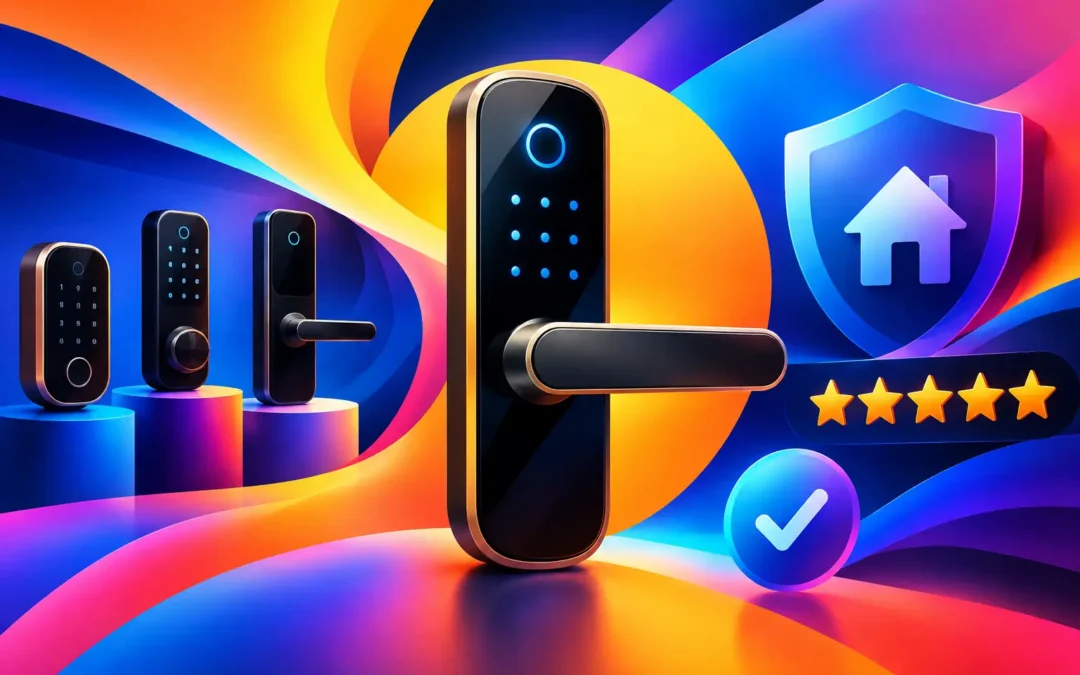
A smart lock can make a rental turnover, late arrival, or school pickup much easier. But smart lock reviews often focus on the app and overlook the questions that determine whether the lock will work reliably on your actual door. Before choosing one, look at the existing hardware, who needs access, how the lock receives power, and what happens when technology fails.
For homeowners, property managers, and business owners in the Coachella Valley, a smart lock should add convenience without creating a new reason to get locked out. The best choice is rarely the model with the longest feature list. It is the one that fits the door, access needs, and level of day-to-day use.
How to Read Smart Lock Reviews Like a Locksmith
A five-star review can be helpful, but it is not a complete security assessment. Many customers post a review shortly after installation, when the keypad is new and the app is working perfectly. Long-term reliability is harder to see in a rating alone.
Look for reviews that explain the door type, installation experience, battery life, and how the lock performed after several months. Comments about a weak deadbolt, a sticky door, dropped connections, or an app that will not recognize a user are more useful than a generic statement that the product is “great.” A lock can be well made and still be a poor fit for a warped door, a narrow door stile, or an older deadbolt prep.
Pay close attention to reports about customer support and replacement parts. Smart locks combine mechanical hardware with electronics. If a keypad, interior motor, or battery cover fails, you need to know whether the manufacturer provides help and whether the lock can still be operated with a physical key or another backup method.
Also separate reviews for a lock from reviews for professional installation. A lock that is installed out of alignment may drain batteries, struggle to extend the bolt, or fail to secure consistently. That is often an installation issue, not proof that every unit of that model is defective.
Start With the Door, Not the App
The first practical question is whether your current door and deadbolt can support the smart lock you want. Most residential models are designed for standard doors, but measurements still matter. Door thickness, backset, bore-hole size, strike plate position, and clearance between the deadbolt and handle can all affect the installation.
The deadbolt should extend and retract easily with the door open and closed. If it only works when you lift, pull, or push the door, fix the alignment first. A motorized lock should not have to force the bolt through a misaligned strike plate every time someone enters. That added resistance can shorten battery life and increase wear on the mechanism.
Some smart locks replace the entire deadbolt. Others retain the exterior key cylinder and add a motorized component to the interior side. A retrofit style can be useful when you want to keep existing keys or preserve the exterior appearance of a door. A full replacement may offer a keypad, built-in connectivity, or a cleaner all-in-one setup.
Neither option is automatically better. A homeowner who wants simple keyless entry may prefer a full keypad deadbolt. A property with a distinctive exterior handle set or multiple keyed doors may benefit from a configuration that maintains the existing cylinder. A locksmith can confirm which option makes sense before a purchase becomes a return.
Do Not Ignore Mechanical Security
Smart features do not make a weak door secure. The deadbolt, strike plate, door frame, hinges, and screws still carry the physical load when someone tries to force entry. Choose hardware from a recognized manufacturer, and make sure the strike plate is securely mounted to the framing, not just the trim.
For exterior doors, a key override can be a valuable backup. It gives you another way in when batteries are dead, an app is unavailable, or a keypad malfunctions. The trade-off is that a key cylinder must be protected from normal lock-picking and key-control concerns. For many homes, that is a reasonable trade-off when paired with quality hardware and proper installation.
Choose Access Features Around Real Life
The right smart lock depends on who comes and goes. A single-family home may need a few permanent user codes and the ability to check whether the door was secured. A vacation rental may need time-limited codes that expire after checkout. An office may need separate codes for staff, cleaners, vendors, and managers, along with a clear process for removing access when roles change.
Keypads are often the most practical feature because they let people enter without carrying a key or relying on a phone battery. They are especially useful for kids, housekeepers, dog walkers, contractors, and rental guests. Look for locks that allow individual codes rather than one shared code. That makes it easier to change access without disrupting everyone else.
Phone control can be convenient, but it should not be the only plan. Bluetooth requires close range, Wi-Fi features may depend on a hub or stable internet connection, and app permissions need to be managed carefully. For a front door, the best setup usually includes at least two dependable entry methods, such as a keypad and physical key, or a keypad and emergency power connection.
Be realistic about biometric readers as well. Fingerprint entry is fast when it works, but heat, dust, wet fingers, and placement can affect performance. In the desert, direct sun and high temperatures deserve special consideration for any exterior electronic device. Read product specifications for operating temperatures and choose a location that offers some protection when possible.
Battery Life and Backup Plans Matter More Than Ads
Most smart locks run on replaceable batteries, commonly AA batteries. Battery life varies based on the lock model, door alignment, weather, connection type, and how frequently it operates. A busy rental or commercial door may use more power than a lightly used home entry.
Low-battery alerts are helpful, but they only work if someone sees them. Make battery replacement part of regular property maintenance rather than waiting for an alert. Use quality batteries, replace the full set together, and avoid mixing old and new batteries.
Before installation, identify the lock’s backup options. Some models accept an external emergency battery at contacts on the exterior keypad. Others use a physical key. Certain locks may provide both. Know how that backup works before there is a problem, and keep the necessary key or battery source available to the people who need it.
A smart lock should never leave you guessing at the door. If a resident, tenant, or employee cannot enter because of a failed keypad, dead batteries, or a jammed bolt, a local mobile locksmith can diagnose whether the issue is electronic, mechanical, or related to door alignment.
Connectivity: Useful, but Not Always Necessary
Wi-Fi access lets you check status, manage codes remotely, and receive activity notifications from almost anywhere. That can be valuable for second homes, rentals, and businesses. The downside is that Wi-Fi-enabled equipment can cost more, use more battery power, and add another layer of setup.
Bluetooth-only locks are often simpler and may conserve battery life, but remote control may require a separate bridge. Some systems connect through popular home platforms, which can be convenient if you already use compatible cameras, lighting, or alarms. Compatibility should be verified before buying, not assumed from a product photo.
For many households, a keypad lock with reliable local operation is enough. Remote notifications are helpful, but they are not a substitute for a properly secured door. If your internet goes down, the lock should still allow authorized people to enter through its local keypad, key, or backup procedure.
Smart Lock Reviews for Rentals and Businesses
Rental properties and commercial spaces have different priorities from a primary residence. The key question is not only whether the lock is easy to use. It is whether access can be managed consistently when guests, employees, vendors, or tenants change.
Avoid relying on one shared entry code for everyone. Individual, time-limited codes create better accountability and reduce the need to reprogram every user after a staff change. For a business, decide who has administrative control of the account and make sure more than one authorized manager can handle emergencies.
Property managers should also consider the cost of a failure. A budget lock may seem attractive until it stops working on a weekend turnover or at a busy storefront. When uptime matters, choose a model with dependable backup entry, readily available parts, and installation that includes testing the latch, bolt, keypad, and every authorized access method.
Installation Is the Final Test
A smart lock is not finished when it turns on. Test it with the door open, then with the door closed. Confirm that the bolt moves freely, the keypad accepts codes, the physical backup works, and the auto-lock setting does not engage before the door is fully shut. If the lock connects to an app, verify alerts and permissions while you are still at the property.
Resc-U Locksmith Services can help Coachella Valley property owners select and install keypad and smart lock systems that fit the door and the way the property is used. A professional installation can also identify worn hardware, poor door alignment, or strike plate issues before they become an after-hours lockout.
Choose the lock that gives your household, tenants, or staff a clear way in, a reliable way out, and a backup plan that works even when the batteries or internet do not.
by | Oct 19, 2026 | Uncategorized
A standard lock can look perfectly fine from the outside and still be the weak point in your door. If a key has been copied, a lock can be easily picked, or the cylinder can be drilled in minutes, your property is not as protected as it should be. High security locks are designed to address those real-world risks with tougher components, controlled keys, and resistance to common forced-entry methods.
For homeowners, rental property managers, and business owners in the Coachella Valley, the right upgrade depends on the door, the people who need access, and what is being protected. A stronger lock is useful, but it must also be installed correctly and matched to the situation.
What Makes High Security Locks Different?
The name is used broadly, so it helps to know what separates a true security upgrade from a basic replacement lock. Quality high security locks typically use hardened internal parts that resist drilling, reinforced cylinders that are harder to pull or break, and advanced pin systems that make picking more difficult.
Key control is another major difference. With many standard locks, anyone who borrows a key can have a duplicate made at a hardware store. Restricted keyways limit who can copy the key and where it can be duplicated. That gives a property owner more control over who has access, especially after employees, tenants, contractors, or housekeepers have had keys.
Some models also include features that defend against bump keys, a method that can manipulate certain traditional pin-tumbler locks. No lock makes a property impossible to enter, but the goal is to slow down unauthorized entry, discourage opportunistic attempts, and create more resistance than a basic lock provides.
When a High Security Lock Upgrade Makes Sense
A lock upgrade is often worth considering after a change in access. Moving into a home, taking over a commercial space, buying a rental property, or ending a tenant or employee relationship all create a question: who may still have a working key? Rekeying may solve the problem when the existing hardware is in good shape. Replacing the lock with a high-security option may be the better move when the current lock is worn, outdated, or too easy to duplicate.
Ground-floor exterior doors, side gates, garage entry doors, and rear entrances are common priorities. These are areas where someone may have more privacy and time to work on a lock. A high-quality deadbolt paired with a solid door, reinforced strike plate, and long screws that reach the wall framing provides much better protection than changing the cylinder alone.
Businesses may need a different approach. A retail shop may want restricted keys for staff and a stronger deadbolt at a back door. An office with several employees may benefit from a keypad or access-control setup that removes the need to collect physical keys when staffing changes. Property managers often need a system that balances security with the ability to service multiple units efficiently.
The Lock Is Only One Part of Door Security
Installing a premium lock on a weak door frame will not deliver the protection most people expect. Forced entry often happens at the strike plate or jamb, not through the lock cylinder. That is why a professional security assessment should look at the full opening: the door material, hinges, frame condition, strike plate, screws, and alignment.
A deadbolt that does not extend smoothly into the strike plate can wear out faster and may not latch correctly. Misalignment is common on doors that swell in heat, settle over time, or have been hit or forced in the past. In desert conditions, extreme temperatures can also affect doors and hardware, so fit and operation matter as much as the lock’s rating.
Glass near a door requires its own consideration. If someone can break nearby glass and reach the thumbturn, a double-cylinder deadbolt may be discussed. However, double-cylinder locks require a key from the inside and can create an emergency exit concern. They are not the right choice for every door and must comply with local fire and building requirements. A locksmith can explain safer alternatives based on the layout of the property.
Choosing Between Keyed, Keypad, and Smart Options
A traditional keyed high-security deadbolt remains a strong choice for many homes and small businesses. It is straightforward, dependable, and does not rely on batteries, Wi-Fi, or an app. For owners who want tight control over physical keys, a restricted key system can be especially valuable.
Keypad locks add convenience. You can give a family member, employee, cleaner, or short-term guest a code instead of handing over a key. When access changes, delete the code rather than wondering whether a key was copied. This is useful for rentals, offices, and homes where several people need regular access.
Smart locks can add remote management, activity alerts, and temporary codes. Those features are practical, but they also require attention. Batteries need replacing, users need to be managed, and not every door or internet setup is a good fit. For some customers, a keypad deadbolt with a physical key override offers the right balance of convenience and reliability.
The best system is not always the most complicated one. A busy storefront may need a commercial-grade lever and controlled access for employees. A vacation rental may need individual codes for each stay. A private residence may simply need a stronger deadbolt and a keyway that cannot be copied freely.
Common Mistakes That Leave a Door Vulnerable
The first mistake is choosing hardware based only on appearance. A lock may have a polished finish, a familiar brand name, or a heavy feel and still offer limited resistance to drilling, picking, or key duplication. Look beyond the trim and ask what security features are built into the cylinder and bolt.
The second is keeping an old key system after keys have changed hands. Previous owners, former tenants, neighbors, contractors, and employees may still have copies. Rekeying is a fast answer when the hardware is suitable, but it does not improve weak or damaged lock hardware.
The third is ignoring the installation. Incorrectly sized screws, a shallow bolt opening, loose hardware, or a poorly aligned strike can reduce the benefit of a good lock. Security hardware should operate smoothly without forcing the key or lifting the door to lock it.
Finally, avoid treating every door the same way. A front door, pool gate, office rear exit, storage room, and rental unit have different access needs and safety requirements. The right solution is based on the risk at that specific opening.
Get the Upgrade Installed Correctly
A mobile locksmith can inspect the existing hardware, explain whether rekeying or replacement makes more sense, and install a lock system that fits the door and how you use the property. Resc-U Locksmith Services provides residential and commercial lock upgrades throughout the Coachella Valley, including help with traditional deadbolts, keypads, and modern access solutions.
If you have lost keys, experienced a break-in, changed tenants, or noticed a lock that sticks or feels loose, do not wait for the issue to become an emergency. Securing the door now can save a stressful call later and give you clearer control over who can enter your property.
by | Oct 17, 2026 | Uncategorized
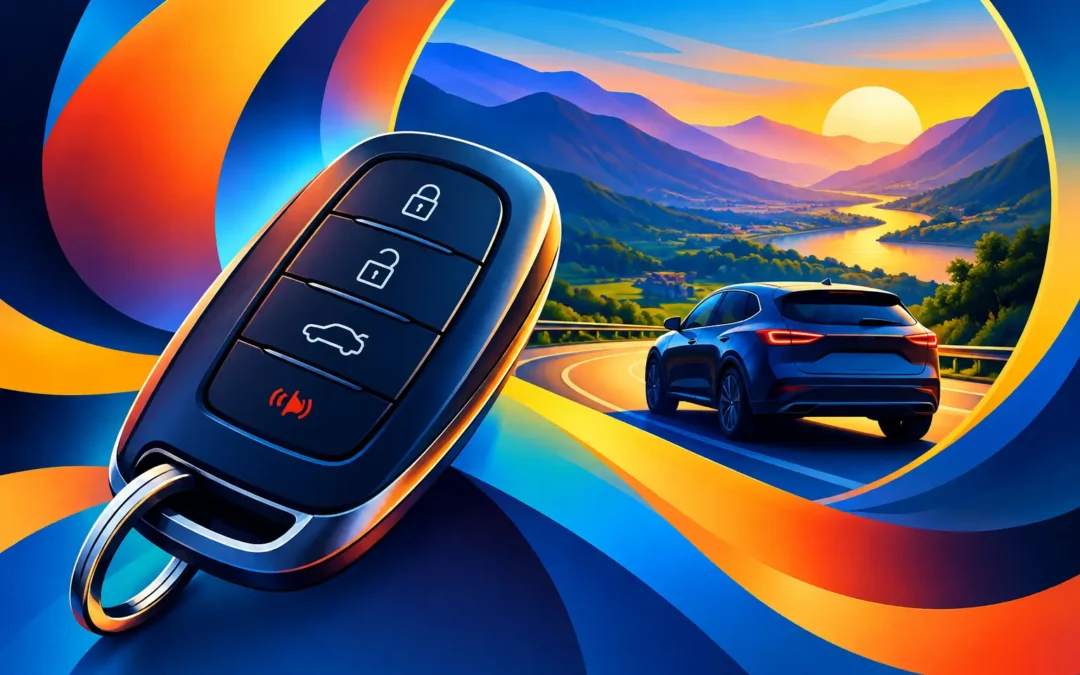
That small remote on your key ring can stop a normal day fast. When it will not unlock the doors, start the vehicle, or recognize your presence, the problem may be as simple as a weak battery or as involved as replacing and programming a new remote. This automotive key fob guide helps Coachella Valley drivers understand what is happening, what they can safely check, and when to call for mobile locksmith help.
What an Automotive Key Fob Actually Does
A key fob is more than a convenience remote. Depending on the vehicle, it may lock and unlock doors, open the trunk or liftgate, sound a panic alarm, operate remote start, or communicate with the vehicle’s immobilizer system. On push-button-start vehicles, the fob contains a chip that lets the car verify that an authorized key is nearby before it allows the engine to start.
That last function is why a replacement is not always as easy as buying a remote shell or generic fob online. The buttons may look right, but the internal chip, frequency, and programming requirements must match your vehicle. A fob that opens the door but will not start the car is not fully programmed or may not be the correct unit.
Traditional metal keys, transponder keys, laser-cut keys, and proximity fobs all work differently. Your year, make, model, trim level, and ignition type determine what replacement solution will work. Two vehicles from the same manufacturer can use different fobs, so avoid guessing based on appearance alone.
Automotive Key Fob Guide: Common Problems and First Checks
A sudden fob failure is frustrating, but it does not automatically mean you need a new key. Start with the simplest possibilities.
The battery is weak or dead
A weakening fob battery often gives warning signs. You may need to stand closer to the car, press a button more than once, or notice that only certain functions work. Many vehicles also display a low key battery message on the dashboard.
Replacing the battery can solve the problem, but use the correct battery type and install it in the proper direction. The battery number is usually printed on the old battery. Open the fob gently with a plastic pry tool or small flat tool if the design allows it. Forcing the case can crack the housing, damage the circuit board, or cause buttons to fall out.
If you replace the battery and the fob still does not respond, the issue may be programming, damage, or the vehicle itself.
The fob has physical or water damage
Key fobs go through a lot. They get dropped in parking lots, crushed in pockets, exposed to heat in a vehicle, and occasionally sent through the washing machine. A cracked case may be cosmetic, but a hard impact can loosen a battery contact or damage the electronic board inside.
Water damage can be harder to spot. Buttons may feel sticky, work intermittently, or stop responding several days after exposure. Do not keep pressing a wet fob or try to charge it with heat. Remove the battery if possible, let it dry fully, and have it evaluated. Heat from a hair dryer or leaving electronics in direct desert sun can make damage worse.
The vehicle battery may be the real issue
If the fob works but your push-button-start vehicle will not start, check for signs of a weak vehicle battery. Dim interior lights, clicking sounds, warning lights, or a completely dead dash point toward a vehicle power issue rather than a bad key fob.
Some vehicles have an emergency backup starting procedure when the fob battery is low. This may involve holding the fob against the start button or placing it in a designated compartment. The exact process varies by manufacturer, so check the owner’s manual for your model before trying random methods.
The fob lost programming or has an internal fault
Programming loss is less common than a dead battery, but it happens after electrical repairs, a drained vehicle battery, a failed fob, or an incorrect replacement attempt. The car may not recognize the fob at all, even though the buttons appear to work.
Modern key systems often require specialized diagnostic equipment, security access procedures, and a correctly matched key. This is where a qualified automotive locksmith can save time. A mobile technician can identify whether the fob needs programming, repair, or replacement without requiring you to tow the vehicle to a dealership.
Do Not Wait Until You Have No Working Key
Many drivers use one fob every day and keep the spare in a drawer until it is needed. The trouble is that a spare can have a dead battery, missing programming, or hidden damage when the primary fob finally fails. Test both keys before a road trip, before handing a vehicle to a new driver, or after buying a used car.
A working spare also changes the cost and stress of a key emergency. If your only fob is lost, stolen, or locked inside the vehicle, you may need a replacement made from scratch. If you still have one operating key, creating a duplicate is often more straightforward.
For families, property managers, and businesses with company vehicles, label and store spare keys carefully. Keep them away from the vehicle, but somewhere accessible to an authorized person. Leaving the spare in the glove box defeats the purpose and can create a security problem after a break-in.
Replacement, Reprogramming, or Repair: Which Do You Need?
The right answer depends on the failure. A worn-out outer case with working electronics may only need a new shell. A dead battery needs a battery replacement. A fob with damaged buttons, corrosion, or a broken circuit board may need a complete replacement.
If the remote works but the vehicle will not start, the transponder or proximity function needs to be checked. If the vehicle starts but buttons do nothing, the remote portion may be the problem. These differences matter because they affect the equipment, programming, and replacement part required.
Dealership service is one option, especially for very new vehicles with restricted key systems. However, it can involve scheduling delays, towing if the car cannot move, and higher replacement costs. A properly equipped automotive locksmith can handle many transponder keys, laser-cut keys, smart keys, and proximity fobs on-site. It depends on the vehicle’s security system and the availability of the correct key or fob.
Be careful with low-cost online fobs. Some are legitimate compatible replacements, while others are poor-quality copies or the wrong frequency for your car. Even a correct blank fob can require professional cutting and programming. Before buying anything, confirm the exact part number and programming requirements for your vehicle.
What to Do When Your Key Fob Is Lost or Stolen
Treat a lost fob differently from a fob you know is inside your home. If it may have been stolen, found near your vehicle, or lost with documents that identify your address, consider having the missing fob removed from the vehicle’s memory. That helps prevent an unauthorized person from using it to enter or start the car.
Have the vehicle year, make, model, VIN, and proof of ownership ready when requesting service. These details help a locksmith identify the right fob and confirm authorization before creating a replacement. If you are stranded, tell the dispatcher whether the vehicle is locked, whether you have another key, and whether it uses a physical ignition or push-button start.
Avoid forcing a door open or breaking a window to reach a key. Modern vehicle doors contain wiring, side-impact components, weather seals, and expensive trim. Professional vehicle entry methods are designed to prevent unnecessary damage.
Protect Your Key Fob From Everyday Damage
Small habits extend the life of a fob. Keep it dry, avoid piling heavy objects on it, and do not leave it in extreme heat for long periods. In the Coachella Valley, interior vehicle temperatures can rise quickly, and prolonged heat can shorten battery life or affect delicate electronics.
A protective case can help with drops, but make sure it does not block buttons or interfere with the signal. Replace a cracked shell before the circuit board becomes exposed. If you notice reduced range or inconsistent operation, address it early instead of waiting for a lockout in a parking lot, at work, or after hours.
When a key fob stops working, a quick diagnosis is better than trial and error. Resc-U Locksmith Services provides mobile automotive key assistance across the Coachella Valley, including help with lost fobs, programming, replacement keys, and vehicle lockouts. Keeping a tested spare and acting on early warning signs can turn a stressful roadside problem into a simple repair.
by | Oct 15, 2026 | Uncategorized
A tenant moved out on a Friday afternoon, leaving behind a full key ring and an uncomfortable question for the property manager: who else might have copies? This rental property rekeying case study shows how a planned same-day lock change helped protect the next tenant, preserve a tight move-in schedule, and avoid the higher cost of replacing every lock.
The property was a single-family rental in the Coachella Valley. The incoming tenant had signed a lease and expected keys the next morning. There was no confirmed break-in, no damaged hardware, and no reason to assume the departing tenant would return. Still, the manager knew that old keys can circulate through family members, neighbors, contractors, cleaners, and previous occupants. That uncertainty was enough to act.
Rental Property Rekeying Case Study: The Turnover Problem
The manager had three priorities: secure the home before the new tenant arrived, keep costs reasonable, and avoid creating a different key for every door. The property had a front entry deadbolt and knob, a garage-to-home entry lock, a side gate lock, and a rear patio door lock. The front and garage doors used compatible residential cylinders. The gate and patio hardware did not.
Replacing all the locksets would have been an option, but it was not automatically the best one. The main door hardware was in good condition, the finish matched the rest of the property, and the locks operated smoothly. Replacing functional locks would add hardware costs and could delay the turnover if matching replacements were not available.
Rekeying made more sense for the main entry points. A mobile locksmith could change the internal pin configuration so the old keys would no longer work, then cut new keys to a single new pattern. The gate and patio locks required separate evaluation because their keyways and hardware were different.
This is the central lesson for rental owners: rekeying is not simply a cheaper replacement. It is a security decision based on the condition of the lock, the type of key system, and the level of access that needs to be controlled.
The On-Site Assessment Changed the Plan
When the locksmith arrived, the first step was not to start pulling cylinders. It was to inspect each opening and determine which locks could be rekeyed safely and which ones should be replaced.
The front deadbolt and knob were serviceable and used the same keyway. The garage entry lock could also be keyed to match. That allowed the manager to give the incoming tenant one key for the three most important access points.
The patio lock had a worn cylinder. It turned, but the key needed to be jiggled before it would operate consistently. Rekeying a worn lock can stop old keys from working, but it does not fix a mechanical issue. Since the patio door was a primary exit, keeping unreliable hardware in place would have created a service call for the new tenant later. That lock was replaced instead.
The side gate used a separate padlock. Because it had no direct access into the home, the manager chose to replace the padlock with a new keyed unit rather than install a more expensive matching cylinder. It was a practical trade-off: the gate needed security, but not the same level of key convenience as the home itself.
By the end of the assessment, the plan was clear. Rekey the front, garage, and interior entry locks to one fresh key. Replace the worn patio cylinder. Replace the gate padlock. Test every door from both sides before handing over keys.
Why Rekeying Was Better Than Waiting
Some property managers wait until a tenant reports a problem or requests a lock change. That approach creates risk during the most vulnerable part of a rental turnover: the gap between occupants.
In this case, waiting would have meant handing over a home with an unknown number of old keys still potentially in circulation. Even if the former tenant returned every key they had, there was no dependable way to verify that no copies existed. A rekey removes that doubt quickly.
It also kept the move-in process simple. The manager did not have to explain a temporary key arrangement, ask the incoming tenant to return later, or leave a lockbox with a key that could have been used by multiple vendors. The home was ready when promised.
For rentals, timing matters as much as the lock itself. A vacant property may have cleaners, painters, maintenance workers, leasing agents, and inspectors coming through. The best rekeying schedule depends on the turnover plan. In many cases, it makes sense to complete work after the final vendor has finished but before the new tenant receives possession. If work must continue after rekeying, the manager should control who receives the new keys and document their return.
The Result: New Key Control Without a Delayed Move-In
The work was completed before the scheduled move-in. Old keys no longer operated the rekeyed doors, the new patio lock functioned cleanly, and the tenant received a labeled set of keys for the home and separate key for the side gate.
The manager also kept a record of the new key configuration and the number of copies issued. That small administrative step matters. Key control is not only about changing locks after a move-out. It is about knowing who has access after the work is done.
The cost stayed lower than a full lock replacement because the existing, functional hardware was retained. At the same time, the worn patio lock was not ignored simply because rekeying was available. The final result was more secure than a basic rekey of every cylinder and less expensive than replacing every lockset without evaluating its condition.
This is the kind of decision a property manager needs from a locksmith: not a one-size-fits-all answer, but a fast recommendation that accounts for security, budget, hardware condition, and the next tenant’s schedule.
What Property Managers Can Take From This Case
A rental turnover should trigger a lock review, even when keys are returned and there is no obvious security incident. The exact work may vary. A newer property with durable, matching locksets may only need rekeying. An older home with sticking keys, loose hardware, or incompatible locks may benefit from selective replacement.
Rekeying is usually a strong option when the lock is in good working condition and the goal is to disable old keys. It can be especially efficient when several exterior doors can be keyed alike. That gives a tenant fewer keys to manage and makes future turnover service easier.
Replacement is often the better call when a lock is damaged, corroded, unreliable, outdated, or unable to meet the property’s security needs. It may also make sense when the manager wants to move from standard keys to a keypad or smart lock. Electronic access can reduce physical key handoffs, but it also requires battery checks, code management, and a clear process for removing old tenant codes.
For properties with frequent vendor access, consider separating access levels. The tenant’s primary entry can use one key or code, while a gate, storage area, or maintenance closet uses another. That prevents a single lost key from opening every part of the property.
A Practical Rekeying Checklist for Turnovers
Before scheduling a rental rekey, confirm the move-out date, final cleaning date, vendor schedule, and incoming tenant’s possession time. Gather all keys that are available, including garage remotes, mailbox keys, gate keys, and pool or storage keys. Then ask for an inspection of each exterior lock rather than assuming every door needs the same service.
After the work is complete, test each new key yourself or have the locksmith demonstrate operation. Count the copies given to the tenant and keep any management copies secured. If a keypad is installed, change the programming after every move-out and avoid using predictable codes such as unit numbers or birthdays.
Resc-U Locksmith Services can help Coachella Valley property managers handle urgent turnover rekeys, lock replacements, and keypad upgrades without adding unnecessary delay to a move-in day.
A rental property is easier to protect when access is handled before the next tenant arrives. Schedule the lock review early, make decisions based on the hardware in front of you, and hand over keys with confidence instead of assumptions.
by | Oct 13, 2026 | Uncategorized
A jammed door lock can turn a normal morning into a stressful problem fast. Whether you are stuck outside your Palm Desert home, cannot secure a rental in Indio, or have a business door that will not lock at closing time, the goal is the same: get the door working without damaging the lock, key, door, or frame.
The temptation is to force the key or lean hard on the handle. That is often what turns a minor alignment issue into a broken key, damaged cylinder, or costly door repair. Start calmly, use only light pressure, and know when it is time to call a professional.
Why a Jammed Door Lock Happens
A lock rarely jams for no reason. In the Coachella Valley, heat, dust, frequent use, and shifting doors can all affect how a lock performs. The symptom matters. A key that will not enter the keyway points to a different issue than a key that turns but will not retract the latch.
Common causes include:
- A door that has shifted and no longer lines up with the strike plate
- Dirt, grit, or worn internal parts inside the lock cylinder
- A bent, worn, or incorrectly cut key
- A latch or deadbolt that is under pressure from the door or frame
- A dead keypad lock battery or an electronic lock malfunction
Older locks can also fail internally. Springs, pins, tailpieces, and latch components wear out over time. If the lock has been getting harder to operate for weeks, a complete failure may be close.
Safe First Steps for a Jammed Door Lock
Before trying any fix, stop and look at what the lock is doing. Is the key fully inserted? Does it turn partway? Is the door handle loose? Does the deadbolt move only when the door is pushed or pulled? Those details help identify the problem without creating more damage.
Relieve pressure on the door
When a deadbolt will not turn, door alignment is often the cause. Put light turning pressure on the key or thumbturn while gently pushing the door inward, then gently pulling it outward. You can also lift the handle slightly if the door appears to be sagging.
Do not crank the key. The purpose is to take pressure off the bolt, not overpower it. If the bolt releases when the door is moved, the lock may be functional but the strike plate, hinges, or door position needs adjustment.
Inspect the key
Use the original key if possible. A worn duplicate may enter the lock but fail to lift the pins correctly. Check for visible bends, cracked metal, or teeth that look rounded down.
If the key is bent, do not try to straighten it and use it again. It can snap inside the cylinder. Try a clean spare key instead. If the spare works, have new keys made and consider rekeying or replacing a worn lock before the problem returns.
Clean and lubricate the keyway carefully
Dust and debris can make a cylinder feel stiff or completely stuck. A lock-specific dry lubricant is generally the safest choice for a traditional key lock. Use it sparingly, insert the key, and work it gently several times.
Avoid pouring household oil, cooking oil, or thick grease into the lock. These products may make the lock feel better briefly, but they attract dirt and can leave a sticky buildup inside the cylinder. If the key still will not turn after a careful attempt, stop before it breaks.
Check the latch and handle
If your key turns but the door will not open, the latch may be jammed or the handle mechanism may have failed. Press the door toward the frame and then pull it away while operating the handle. If the handle feels unusually loose, floppy, or disconnected, the internal mechanism may need repair or replacement.
A door that opens but will not stay closed can have the opposite issue: the latch may not be reaching the strike plate. That is not just inconvenient. It can leave a home, office, or rental unit improperly secured.
What Not to Do When a Lock Is Stuck
A stuck lock is frustrating, especially when you are late, locked out, or trying to close a business. Still, a few common shortcuts make the situation worse.
Do not force the key with pliers or other tools. Extra leverage can twist the key, damage the cylinder, or break the key off inside. Do not drill, pry, or remove hardware unless you know the lock type and have authorization to work on that property. Forced entry can damage the door, trim, frame, and security hardware, often costing far more than a locksmith visit.
Also avoid repeatedly slamming the door. It may temporarily shift the alignment, but it can worsen a loose hinge, cracked frame, or failing latch. If the door is an exterior entry, a fire-rated commercial door, or part of a controlled access system, professional service is the safer choice.
When to Call a Locksmith for a Jammed Door Lock
Call a locksmith right away if the key is broken in the lock, the lock is spinning, the deadbolt will not retract, or you cannot secure the property. The same applies if a tenant, employee, child, or pet is locked inside, or if you are locked out in unsafe weather or an unfamiliar location.
A mobile locksmith can diagnose whether the issue is the key, cylinder, latch, strike plate, door alignment, electronic hardware, or a combination of problems. In many cases, the lock can be repaired, rekeyed, or replaced on-site without unnecessary damage to the door.
For homes, this may mean restoring access and making sure every exterior door locks correctly. For businesses and property managers, it may mean rekeying after a staff change, repairing a storefront lock, or upgrading a problem door to a keypad or access-control solution. The right repair depends on the door, the lock type, and the level of security you need.
Resc-U Locksmith Services provides mobile, 24/7 help across the Coachella Valley for residential, commercial, and automotive lock problems. Fast service matters when a lock failure leaves your property exposed or your day at a standstill.
Jammed Smart Locks and Keypad Locks
Electronic locks add a few extra possibilities. If the keypad is unresponsive, begin with the battery. Many keypad and smart locks show low-battery warnings, but those alerts are easy to miss. Replace the batteries with fresh, quality batteries installed in the correct direction.
If the batteries are not the issue, check whether the deadbolt is binding against the strike plate. Smart locks use a motor to move the bolt, but the motor cannot overcome a badly misaligned door forever. Repeated failed attempts can drain the battery and put stress on the internal components.
Do not reset a smart lock unless you are sure you have the programming information and authority to manage the device. A reset can remove user codes and settings, which is especially disruptive for rentals and businesses. A locksmith can assess the mechanical alignment and the lock hardware before recommending repair or replacement.
Prevent the Next Lock Problem
A lock that works smoothly should require very little effort. If you notice resistance, address it early rather than waiting for a lockout. Periodically check that screws on the handle and strike plate are secure, keep keys clean and undamaged, and use lock-appropriate lubricant when needed.
For doors exposed to strong sun, dust, or heavy daily traffic, schedule maintenance before the lock fails. Property managers may also benefit from rekeying between tenants and replacing worn hardware before it becomes an after-hours emergency.
If your door lock is jammed now, protect the key, avoid forcing the hardware, and get qualified help before a small issue becomes a damaged door or a security concern.
by | Oct 11, 2026 | Uncategorized
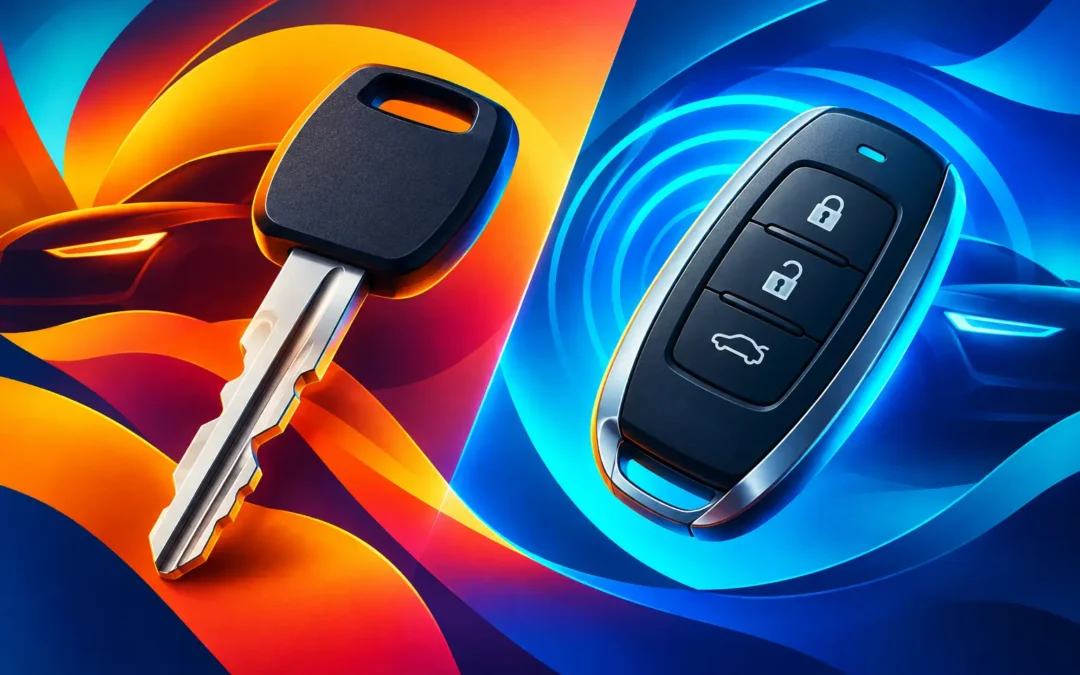
A car key can look simple right up until it will not start your vehicle. When comparing laser cut vs transponder keys, the biggest source of confusion is that these are not always two separate choices. A laser-cut key describes the way the metal blade is cut. A transponder key describes the electronic chip inside it. Many late-model vehicles use both.
If you lost your only key, your ignition turns but the engine will not start, or a replacement key works in the door but not the vehicle, knowing the difference helps you get the right solution without wasting time or money.
Laser Cut vs Transponder Keys: The Core Difference
A laser-cut key, also called a sidewinder key or high-security key, has grooves cut into the center or both sides of a thicker metal blade. The cuts are more complex than the teeth along the edge of a traditional house key or older car key. Despite the common name, these keys are generally cut with specialized milling equipment, not a literal laser.
A transponder key contains a small chip that communicates with your vehicle’s immobilizer system. When you turn the key in the ignition, the vehicle reads the chip’s unique signal. If the signal matches what the vehicle recognizes, it allows the engine to start. If it does not, the engine may crank without starting, or the security light may stay on.
That means the distinction comes down to two jobs. The blade has to physically operate the door and ignition. The chip has to electronically authorize the vehicle to run.
A key can be one, the other, or both. An older transponder key may have a standard edge-cut blade and a chip. A modern laser-cut key may have no chip in some applications, though that is less common with newer vehicles. Many vehicles from brands such as Honda, Toyota, Ford, Chrysler, Nissan, BMW, Mercedes-Benz, and Lexus use keys that are both laser-cut and transponder-equipped.
What a Laser-Cut Key Does
Laser-cut keys are designed to make the mechanical lock harder to manipulate and harder to duplicate with basic key-cutting equipment. Their wider, thicker blades and complex groove patterns require the correct blank and specialized machinery.
For a driver, the practical benefit is a higher-security mechanical key. The trade-off is that cutting a replacement typically costs more than duplicating a conventional metal key. Not every hardware store or general key kiosk can make one correctly.
You may have a laser-cut key if the blade looks flat on the outer edges, with a winding groove running down the center. These keys are often symmetrical, meaning they can be inserted into the ignition either way. Conventional keys usually have visible teeth cut along one edge.
A damaged laser-cut blade can cause real trouble even when the electronic chip is fine. If the blade is bent, heavily worn, or cut inaccurately, it may not turn the ignition or unlock the door. Forcing it can damage the lock cylinder, which turns a key replacement into a larger repair.
When You Need a New Laser-Cut Key
You may need a replacement when the key is lost, snapped, bent, worn down, or intermittently sticking in the ignition. A spare is also a smart move when you still have one working key. Creating a duplicate before the last key disappears is usually simpler than building a key from scratch after a total loss.
The correct process is more than tracing an old key onto a blank. A qualified automotive locksmith identifies the vehicle, selects the proper key blank, cuts it to the right key code or pattern, and tests that it operates the locks and ignition smoothly.
What a Transponder Key Does
The chip inside a transponder key is a theft-deterrent feature. It does not need a battery to work in most standard transponder keys. The vehicle’s ignition antenna energizes the chip and reads its coded response when the key is inserted and turned.
If the key blade is copied perfectly but the chip is missing, unprogrammed, or incorrect, the vehicle may unlock and the ignition may turn, but the engine will not start. This is why a cheap metal copy can be frustratingly useless for many vehicles.
Programming is the critical step. The replacement chip must be matched to the vehicle’s immobilizer system using the proper diagnostic tools and procedure. Depending on the make, model, and year, programming may require an existing working key, security access, or an on-site automotive locksmith with the right equipment.
Signs of a Transponder Problem
A key that suddenly stops starting the car is not automatically a transponder failure. The issue could also be a weak vehicle battery, ignition problem, damaged key blade, faulty key fob, or an immobilizer system concern. Still, a few signs point toward the chip or programming:
- The engine cranks but does not start after the key turns normally.
- A security or key-shaped warning light flashes or remains illuminated.
- A newly copied key opens the doors but will not start the vehicle.
- One key starts the vehicle while another seemingly identical key does not.
A locksmith can test the situation and determine whether you need a new key, chip programming, battery service for a remote, or a closer look at the vehicle’s ignition and security system.
Why Many Modern Keys Are Both
For most drivers, laser cut vs transponder keys is not an either-or question. The key may need a precision-cut blade and electronic programming at the same time. A remote-head key, flip key, or smart key can add another layer of features, such as lock and unlock buttons, a panic alarm, trunk release, or push-button start capability.
Those features should not be confused with the transponder itself. A remote battery can die while the transponder still allows the vehicle to start when the key is in the ignition. Conversely, the remote buttons may work while the transponder chip is not programmed correctly. Push-button start systems use proximity fobs rather than a traditional ignition key, but they still rely on electronic authorization.
The vehicle identification number, make, model, year, and available keys all affect what a replacement requires. That is why a clear photo of the key and the vehicle details can help a mobile locksmith arrive prepared with the correct blank, equipment, and programming capability.
Replacement Cost and Timing: What Changes the Job
There is no one price for a laser-cut or transponder key because the labor and equipment vary. A basic edge-cut spare for an older vehicle is generally the least involved option. A laser-cut key with a transponder chip costs more because it requires a specific blank, precision cutting, and programming. A smart proximity fob or all-keys-lost situation may require more advanced programming and security access.
The fastest and most affordable time to make a spare is while you have a working key. With no working keys available, the locksmith may need to originate a key, access key-code information, program the immobilizer, and verify that the vehicle starts. That is still a service a properly equipped mobile automotive locksmith can often handle on location, saving you from arranging a tow to a dealership.
Avoid buying a random key online based only on how similar it looks. Keys that share a shape may use different chips, frequencies, blade profiles, or programming methods. An incorrect blank can add delay rather than save money.
What to Do When Your Key Is Lost or Not Working
First, do not keep forcing a sticking key in the ignition or door lock. If it breaks, part of the blade can remain lodged in the cylinder. If the key is missing, have your driver license, vehicle registration, and vehicle identification number ready to establish ownership.
Then contact a local automotive locksmith who can cut and program the appropriate key type. Resc-U Locksmith Services provides mobile assistance throughout the Coachella Valley for drivers dealing with lost keys, broken keys, lockouts, transponder programming, and laser-cut key replacement. The goal is simple: get you back into your vehicle and safely back on the road without unnecessary delay.
Before the next key emergency, consider having a tested spare made and keeping it somewhere secure away from the vehicle. One working spare can turn a stressful roadside problem into a quick, routine fix.