
A rear employee entrance that will not release can stop a business day fast. So can a glass storefront door that is difficult to secure after closing. When comparing an electric strike versus maglock, the right answer comes down to the door, the exit requirements, the existing hardware, and what must happen during a power loss.
Both devices work with keypads, card readers, intercoms, credential systems, and remote-release buttons. Both can improve control over who enters a property. But they secure a door in very different ways, and choosing the wrong one can lead to expensive door modifications, frustrating daily use, or an access-control setup that does not meet life-safety requirements.
Electric strike versus maglock: the core difference
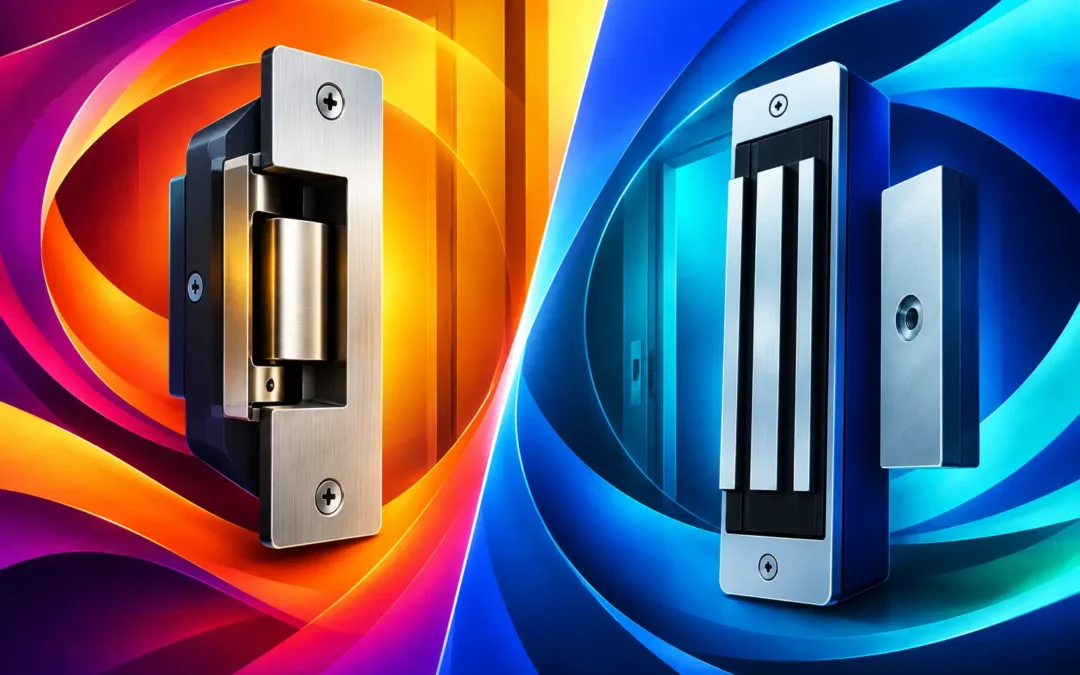
An electric strike replaces or modifies the metal strike plate in the door frame. The door keeps a mechanical latch or lock on its edge. When an authorized person presents a credential or someone presses a release button, the strike releases the latch so the door can open.
A maglock, short for magnetic lock, mounts at the top of the door and frame. It uses an energized electromagnet to hold an armature plate attached to the door. As long as power is supplied, the magnet holds the door closed. Removing power releases it.
That difference affects nearly every part of the decision. An electric strike works with the door’s existing latch hardware and usually preserves a more traditional appearance. A maglock relies on holding force rather than a latch, which can make installation practical on certain door types but requires careful planning for safe egress.
When an electric strike is the better choice
Electric strikes are often a strong option for offices, medical suites, professional buildings, gated common doors, and commercial spaces with standard swinging doors. They are especially useful when the door already has a quality latch, mortise lock, panic hardware, or cylindrical lever lock that can work with a compatible strike.
The main advantage is that the door still latches mechanically when it closes. The access-control system only needs to release the strike when entry is approved. From the inside, the occupant can normally exit by operating the lever or panic bar, without depending on electronics. That familiar operation is a major reason property managers often prefer strikes for single-entry doors.
An electric strike can be configured as fail-secure or fail-safe. A fail-secure strike stays locked if power is lost, but people can generally still exit through normal mechanical hardware. This is common where security must remain in place during an outage. A fail-safe strike unlocks when power fails, which may be required for particular applications or codes.
Still, an electric strike is not automatically easy to install. The frame must have enough room for the strike body and wiring. A narrow aluminum storefront frame, a heavily reinforced frame, misaligned door hardware, or an old damaged latch can complicate the work. The technician must also confirm that the latch and strike are compatible. Forcing an incompatible combination may cause the door to bind or fail to secure reliably.
When a maglock makes more sense
Maglocks are common on glass aluminum storefront doors, gates, some double-door openings, and doors where modifying the frame for an electric strike would be difficult. They can also be useful when the existing door hardware does not have a suitable latch for an electric strike.
Because the lock mounts on the surface, a maglock can sometimes avoid major cutting into a frame. It can provide substantial holding force and has few moving parts at the locking point. For a properly designed access-control opening, that can mean dependable operation with less mechanical wear than a latch-based system.
The trade-off is that a maglock is usually fail-safe. It needs continuous power to remain locked. If power is interrupted, the door releases. That is often desirable from a life-safety standpoint, but it means the property needs to consider backup power if security during an outage matters.
Maglocks also require the correct exit equipment. Depending on the opening and local code requirements, that may include a request-to-exit sensor, a push-to-exit button, a fire alarm release connection, and properly located signage. A maglock should never trap occupants or depend on a confusing sequence to get out. This is where professional installation matters most: access control must protect the property without compromising a safe exit.
Power loss and fire alarm response are not details
The fail-safe versus fail-secure question should be settled before equipment is ordered. It is not simply about whether a business wants a door locked or unlocked during a blackout. The answer has to account for occupancy, the type of door, the building’s egress plan, fire alarm requirements, and the level of security the property needs.
With a maglock, power loss typically means the door opens. A battery backup can keep it operating for a limited time, but the system should still release appropriately when the fire alarm activates or when required emergency conditions occur.
With an electric strike, the selection of fail-safe or fail-secure hardware changes the outcome. A fail-secure model can maintain exterior security during a power failure while allowing ordinary mechanical egress from the inside. That makes it appealing for many employee doors, but the correct setup depends on the specific opening.
Do not treat a lock installation as a standalone hardware choice. The reader, keypad, power supply, emergency release, door closer, latch alignment, and fire system connection all need to work together. A strong lock on a sagging door or a system with poor wiring will not deliver reliable security.
Door type matters more than most owners expect
For a solid metal or wood commercial door with a conventional latch, an electric strike is frequently the cleanest solution. It preserves the normal look and feel of the door while allowing controlled entry.
For an aluminum glass storefront door, the answer may be less straightforward. Some narrow-stile doors can accept specialized electric strikes, while others are better candidates for a maglock or another access-control approach. Double doors need additional attention because one leaf may be inactive, or both leaves may need to release for proper exit.
Outdoor gates, pool entries, storage areas, and high-traffic service doors introduce more variables. Weather exposure, gate movement, cable routing, and the need for gate-specific hardware can all affect the choice. A lock that works well on an interior office door may not last on an exposed exterior opening in the Coachella Valley heat.
Security, convenience, and daily use
An electric strike is generally less visible and feels familiar to employees and visitors. The door closes, latches, and opens with a credential or remote release. It is a practical fit when the door is already in good mechanical condition and the goal is to add controlled access without changing how people exit.
A maglock offers visible holding strength and can work well on doors without compatible latch hardware. However, users may notice the release delay or hear the magnet disengage. It also depends on continuous power, so the quality of the power supply and wiring matters greatly.
Neither device is automatically more secure in every situation. A properly installed electric strike paired with suitable door hardware can be highly secure. A properly installed maglock can also be effective, especially on the right door and with the correct egress components. The weak point is often not the lock itself but the frame, hinges, closer, credential management, or installation quality.
Questions to answer before choosing
Before selecting a system, identify who needs access, how they will enter, and how the door must behave during emergencies. Consider whether the door is used by employees, tenants, customers, delivery drivers, or residents. A back office door controlled by a keypad has different needs than a public-facing storefront entrance with an intercom.
Also look at the existing condition of the opening. Does the door latch reliably? Is the frame damaged? Is there an active fire alarm system? Will wiring need to be concealed? Is the opening subject to wind, heat, or frequent use? These answers often point toward one option before the lock model is even discussed.
For property managers and business owners, it is also smart to consider future changes. A single keypad today may become a multi-door credential system later. Choosing equipment that can grow with the property can avoid replacing the entire setup after a tenant change or expansion.
Get the opening evaluated before installation
The best choice between an electric strike and a maglock is made at the door, not from a product photo. A qualified locksmith can inspect the frame, hardware, door alignment, wiring path, access-control goals, and exit requirements before recommending an option.
Resc-U Locksmith Services helps Coachella Valley homes and businesses plan practical security upgrades, from keypad access to commercial door hardware. A quick evaluation can prevent the common mistake of installing a lock that looks right but does not fit the door or the way people use the building. The goal is simple: controlled entry when you need it, safe exit when it matters, and a door that works reliably every day.