
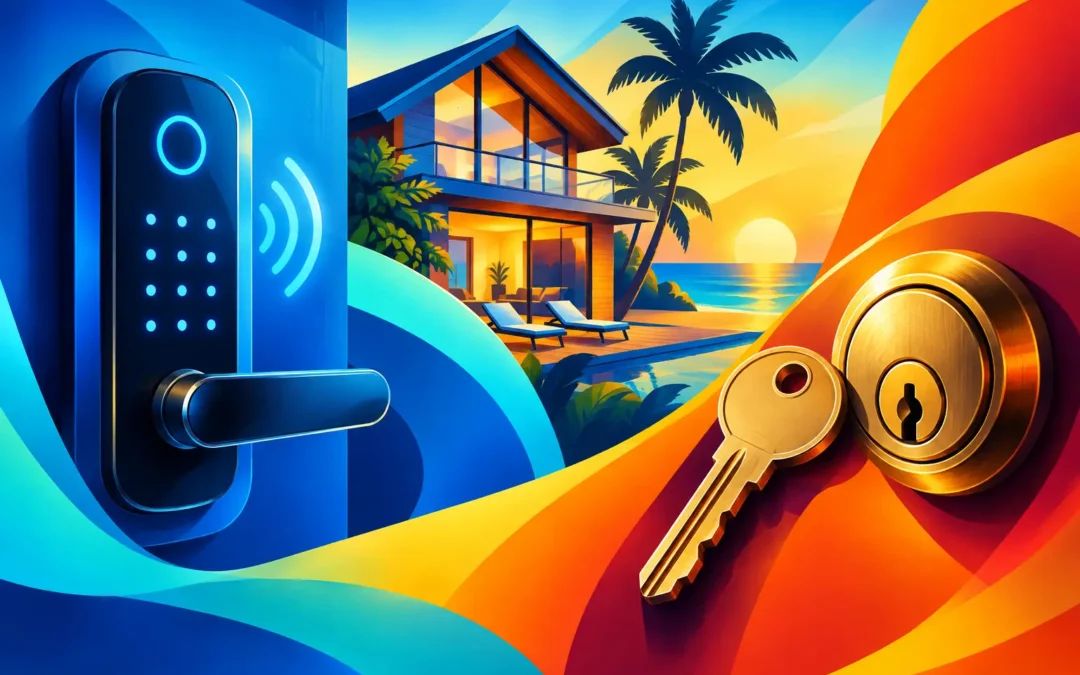
A vacation home can sit empty for weeks, which makes a weak front-door lock more than a minor inconvenience. The best locks for vacation homes balance physical security, simple access for trusted guests, and dependable operation when you are miles away. Whether you own a weekend desert retreat, a seasonal residence, or a short-term rental, the right choice depends on how the property is used and who needs access.
A lock that works well for a primary home is not always the right fit for a vacation property. You may need to let in cleaners, maintenance technicians, family members, or renters without handing out a stack of keys. At the same time, a smart lock with poor weather resistance or a flimsy deadbolt can create more problems than it solves. Start with a secure door and frame, then choose a lock system that makes access easier without lowering your standards.
What the Best Locks for Vacation Homes Need to Do
Vacation-home security starts with a basic question: will the house be vacant, rented, or used only by your family? A privately used second home may need a high-quality keyed deadbolt and a way to manage a trusted neighbor or house sitter. A rental often benefits from keypad access codes that can be changed between guests. Properties with frequent service visits may need a smart lock with scheduled codes and activity tracking.
Whatever style you choose, the lock should have a solid deadbolt, a reinforced strike plate, and long screws that reach the wall stud behind the door frame. A premium electronic lock attached to a weak strike plate still leaves a vulnerable entry point. The door itself matters too. Warped wood doors, loose hinges, damaged frames, and large gaps around the door should be repaired before any lock upgrade.
Look for a residential deadbolt rated ANSI Grade 1 or Grade 2. Grade 1 offers the highest level of residential strength and is a smart choice for exposed exterior doors, rental properties, and homes left vacant for long periods. Grade 2 is often a reliable option for many vacation homes. Grade 3 locks are generally better reserved for low-risk interior applications, not your main entry door.
Keyed Deadbolts: Simple, Strong, and Dependable
A traditional keyed deadbolt remains one of the best choices for owners who want dependable physical security with very little maintenance. There are no batteries to replace, no app to connect, and no code for a guest to accidentally share. A quality single-cylinder deadbolt paired with a reinforced strike plate is a practical foundation for nearly every vacation home.
The drawback is key control. If several people have copies, you may not know who still has access after a contractor finishes work, a guest leaves, or a property manager changes. Replacing the entire lock every time access changes gets expensive and unnecessary. Rekeying lets a locksmith reset the lock to work with a new key while keeping the existing hardware, provided the lock is in good condition.
For a home that is used mainly by your family, a Grade 1 or Grade 2 deadbolt with restricted or carefully managed keys may be all you need. Keep spare keys out of obvious hiding places. Fake rocks, doormats, planters, and unprotected lockboxes are well-known targets. If someone needs backup access, use a secure lockbox or arrange for a trusted local contact instead.
Smart Deadbolts: Better Control From Anywhere
Smart deadbolts are a strong option for vacation-home owners who need to manage entry remotely. Depending on the model and setup, you can lock or unlock the door from an app, receive access alerts, check whether the door is secured, and create individual codes for guests or service providers. This is especially useful when your property is rented or when you cannot be there to meet a repair technician.
The best smart lock is not automatically the one with the most features. Choose hardware with a sturdy deadbolt mechanism, a physical key override, and a reliable way to operate if your Wi-Fi goes down. Many smart locks continue to accept codes locally during an internet outage, but remote notifications and app controls may not work until service returns.
Battery management is a real consideration. Smart locks usually provide low-battery warnings, but those alerts are only useful if someone is watching them. Replace batteries on a schedule before busy rental periods or long absences. Keep fresh batteries available for your local property manager, house sitter, or trusted neighbor. Avoid mixing old and new batteries, which can reduce performance.
For homes in the Coachella Valley, direct sun and extreme summer heat deserve extra attention. Select exterior hardware designed for outdoor use, and avoid placing sensitive keypad components where they receive relentless afternoon sun if another door is available. A locksmith can help identify a location and lock style that fits the door, exposure, and access needs.
When a Smart Lock Is Worth It
A smart deadbolt is usually worth the investment if you change access often, rent the home, or need visibility while away. It can reduce the hassle of key exchanges and make it easier to remove a former guest’s access immediately. However, owners who prefer a simple, low-maintenance setup may be better served by a conventional deadbolt and periodic rekeying.
Do not rely on remote features as a substitute for basic security. Use unique account passwords, enable two-factor authentication when available, and remove old user codes promptly. A smart lock should add control, not create a digital key that stays active forever.
Keypad Locks: The Practical Choice for Guests and Rentals
Keypad locks provide one of the most useful middle grounds. Guests enter a code instead of carrying a key, while the owner can change that code between stays. Many keypad deadbolts do not require Wi-Fi, which means fewer connectivity issues and no need for guests to download an app.
For short-term rentals, select a keypad lock that allows multiple codes, code deletion, and temporary or scheduled access. The ability to create a unique code for each guest, cleaner, or maintenance provider is far safer than using one permanent code for everyone. If a code is compromised, change it immediately.
A keypad lock should still include a mechanical key override for emergencies. Electronic components can fail, batteries can drain, and some guests may have trouble with a code after a long travel day. The override key should be controlled carefully and not left in an exposed hiding spot.
Do Not Forget the Side Doors, Garage, and Patio Access
Front-door security gets most of the attention, but burglars often look for less protected entrances. Check every exterior door, including garage-to-house doors, side entrances, sliding patio doors, and doors leading from a courtyard. A strong front lock does little good if a secondary door has a loose knob lock or an aging deadbolt.
Sliding glass doors need additional protection because their standard latches are often limited. A properly fitted security bar, upgraded lock, and anti-lift device can make the door harder to force or remove from its track. Garage doors should also be secured, especially if the garage provides direct access to the home or stores tools that could be used to force entry.
If the property has a gate, pool area, detached casita, or storage room, consider whether those access points need separate key control. Using the same key on every lock is convenient, but it can create a bigger issue if one key is lost. A locksmith can help build a practical keying plan that keeps daily use manageable.
Installation Matters as Much as the Lock
A lock can be well-made and still fail to protect the home if it is installed incorrectly. The bolt should extend fully into the strike plate, the strike plate should be firmly anchored, and the door should close without rubbing or misalignment. Misaligned doors can cause smart locks to drain batteries faster and can prevent any deadbolt from engaging properly.
Before choosing hardware, assess these areas:
- The door material and thickness, including whether it is solid wood, fiberglass, metal, or hollow-core.
- The condition of the frame, hinges, strike plate, and existing lock holes.
- How often the property is rented or accessed by cleaners, vendors, and family members.
- Whether dependable Wi-Fi is available and whether remote control is truly useful.
- Local weather exposure, especially high heat, dust, and direct sunlight.
A professional installation also avoids the common problem of buying a lock that does not fit the door prep. If your current hardware is worn, damaged, or poorly aligned, replacing or rekeying it before the next extended vacancy is a practical security step. Resc-U Locksmith Services can help Coachella Valley homeowners compare deadbolts, keypad locks, and smart-lock options, then install the right setup for the property.
The right lock should give you fewer reasons to worry when the house is empty. Choose a quality deadbolt first, add keypad or smart access where it solves a real access problem, and make sure every exterior entry is secured as carefully as the front door.