
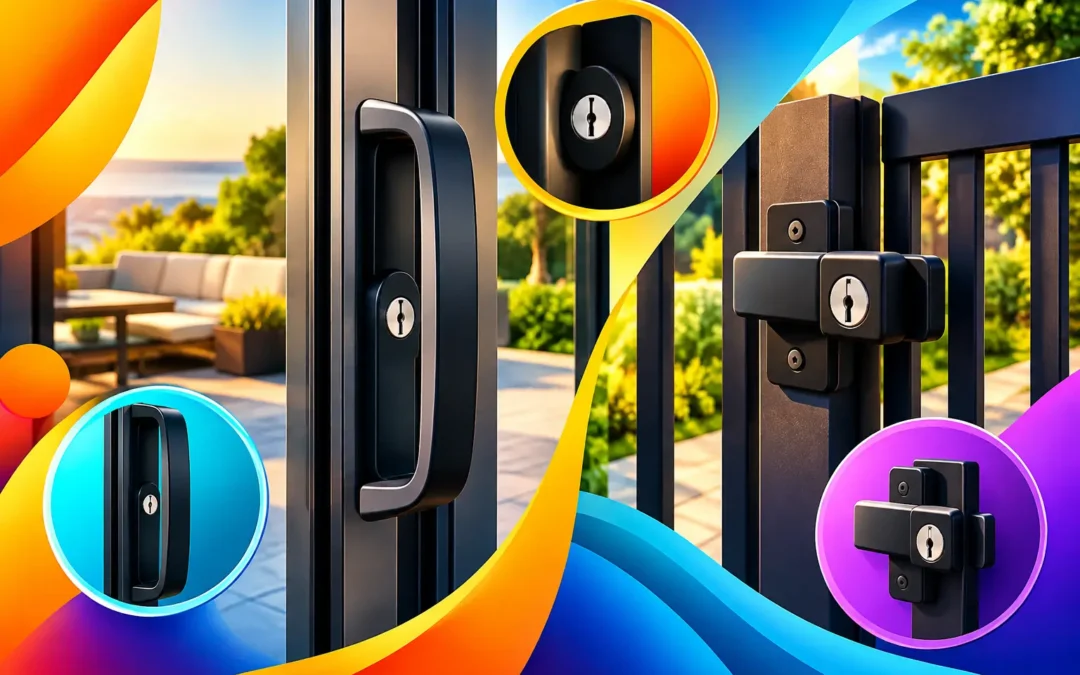
A patio door should be an easy way to enjoy your yard, not the weak point in your home security. The best patio locks depend on the type of door you have, the condition of its frame, and whether you need everyday convenience, stronger forced-entry resistance, or both. A lock that works well on a sliding glass door may be the wrong choice for a French door or side gate.
For Coachella Valley homeowners, patio security also has to hold up to intense heat, dust, and frequent use. A quality lock is only effective when it fits correctly, latches fully, and is installed in solid material. Here is how to choose a lock that protects your patio entrance without creating a daily hassle.
What Makes a Patio Lock Effective?
Patio doors are often targeted because they can be less visible from the street and may have lighter hardware than a front door. Many sliding doors come with a simple latch designed to keep the door closed, not necessarily to stop a determined attempt to force it open.
A better patio lock addresses more than one risk. It should resist prying, prevent the door from being lifted off its track, and keep the lock from being reached or manipulated through the glass. For hinged patio doors, the focus shifts to a strong deadbolt, reinforced strike plate, and hardware that cannot be easily removed from the exterior.
The lock itself matters, but installation matters just as much. A high-security lock mounted to a thin, damaged, or loose frame will not perform as intended. If your door wiggles when locked, drags on the track, or has a worn latch, correct those issues before relying on an upgrade.
Best Patio Locks by Door Type
Sliding glass door locks
For a standard sliding glass door, an auxiliary keyed lock is usually the most practical upgrade. These locks mount to the door frame or stile and provide a second locking point beyond the factory latch. A keyed model is especially useful for ground-floor doors, rental properties, and patios that are not visible from inside the home.
A double-bolt sliding door lock can offer more resistance than a basic surface latch because it secures the moving panel more firmly to the frame. Look for metal components and a design made for your specific door material. Aluminum, vinyl, and wood-framed doors require different mounting methods.
Many homeowners also use a security bar or track bar. This is a solid secondary measure because it physically limits how far the door can slide open. It is affordable and simple, but it should not be your only protection. A loose or incorrectly sized bar can shift, and it does not repair a failing primary lock.
An anti-lift device is another worthwhile addition. Sliding panels can sometimes be lifted high enough to clear their track, particularly when rollers are worn or the door was installed with excess clearance. Anti-lift blocks or brackets help stop that movement. They are not a replacement for a lock, but together with a keyed lock and a security bar, they create a much stronger setup.
French door and hinged patio door locks
French doors and other hinged patio doors need a different approach. The active door should have a quality deadbolt with a reinforced strike plate secured by long screws that reach the structural framing. A decorative handle set may look substantial while offering very little actual resistance, so do not judge security by appearance alone.
If the doors have glass panels near the lock, consider how an intruder could reach the interior thumb turn after breaking glass. A double-cylinder deadbolt requires a key on both sides and can prevent that, but it also creates an emergency exit concern. It should only be used where permitted by local code and where a key can remain immediately accessible to occupants without being visible or reachable from outside.
For doors that meet in the center, flush bolts on the inactive panel are essential. Weak, loose, or missing flush bolts leave the active door with less support. A locksmith can inspect the alignment of both doors and make sure the bolts engage securely at the top and bottom.
Patio gate locks
A side gate can give someone access to the back of the property, where patio doors and windows are less likely to be seen. The best gate lock is weather-resistant, designed for outdoor use, and appropriate for the gate material. A keyed gate latch may be enough for a low-risk side yard, while a heavy-duty deadbolt-style gate lock is a stronger choice for gates leading to pools, storage areas, or private rear entrances.
For metal gates, verify that the lock body and mounting hardware are compatible with the gate thickness. For wood gates, make sure the latch is anchored into solid wood rather than a split or weakened section. Gate alignment is critical too. A lock will wear quickly if the gate sags and the latch must be forced into place.
Features Worth Paying For
When comparing patio lock options, focus on construction and fit rather than brand claims alone. A lock with a solid metal bolt, tamper-resistant screws, and a protected key cylinder generally offers better long-term value than lightweight hardware.
Key control is another consideration. If you have recently moved, lost keys, changed tenants, or ended a contractor relationship, rekeying may be smarter than simply adding a new lock. Rekeying changes which key operates the cylinder without necessarily replacing all of the hardware.
Convenience can matter as well. Keypad locks and smart locks are common on hinged patio doors, particularly for pool access, rental homes, and properties where several people need entry. They can eliminate spare-key concerns and allow code changes when guests or tenants leave. Still, electronics should be rated for exterior use and installed where direct heat and weather exposure will not shorten their life.
Do Not Overlook the Door and Frame
Even the best lock cannot compensate for a sliding door that barely stays on its track. Before upgrading hardware, check whether the door closes squarely, the latch lines up cleanly, and the frame is free of cracks or loose fasteners. If the sliding panel can be lifted, rattled, or forced sideways while locked, it needs attention.
Older sliding doors sometimes benefit most from a combination of roller adjustment, a new latch or keyed auxiliary lock, anti-lift protection, and a correctly fitted security bar. That layered approach is usually more effective than buying one expensive device and leaving the rest of the door in poor condition.
Glass also deserves consideration. Security film can help hold broken glass together, although it is not the same as impact-rated glass. Window coverings, exterior lighting, and clear sightlines from the home can further discourage someone from trying to work on a patio entry unnoticed.
When a Patio Lock Needs Professional Service
Call for service if the key turns without locking, the door will not stay latched, the lock is visibly loose, or a sliding door has been forced or damaged. These issues can leave a home vulnerable even if the door appears closed. A professional can determine whether the problem is the lock, strike plate, door alignment, rollers, frame, or a combination of failures.
Professional installation is also a good idea when drilling into a glass-door frame, fitting a keyed auxiliary lock, upgrading French door hardware, or securing a gate with unusual dimensions. The goal is not just to install a new product. It is to make sure every component lines up and holds under pressure.
Resc-U Locksmith Services provides mobile lock repair, rekeying, and security upgrades throughout the Coachella Valley, including help when a patio door lock fails after hours. If your patio entrance feels loose, sticks when it closes, or no longer gives you confidence, have it inspected before it becomes an urgent problem.